 Growney Space
Earth
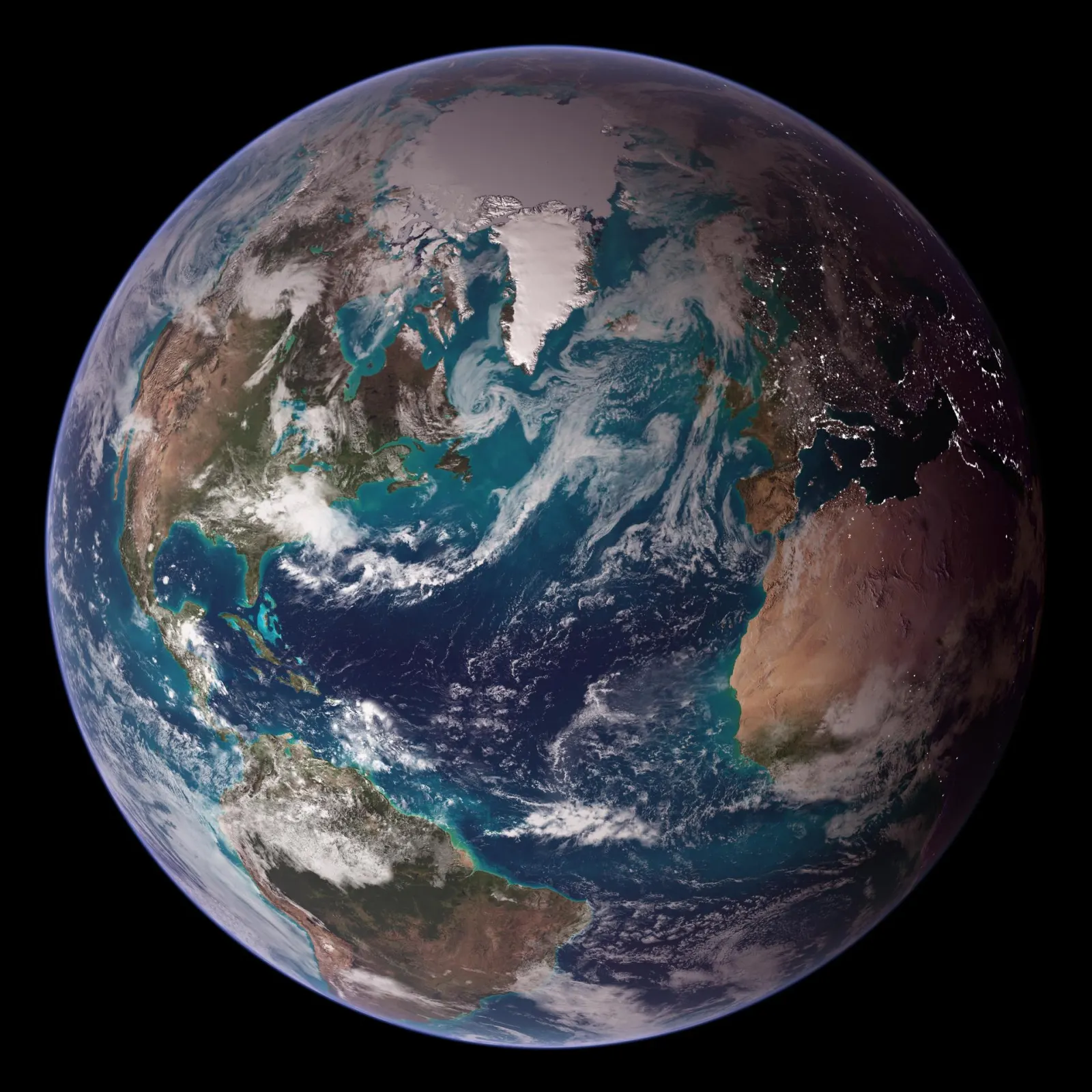
Earth is the third planet from the Sun and our home. It's the only place we know with seas of water, plants, animals and people.
What's hidden on Earth?
Found 0 of 11
Swipe sideways and tap the seeds

Look for the seeds — I'll tell you about every wonder!
Field journal · Earth
Nothing yet. The wonders you find will be written here.
Peek at all the wonders
- Water covers almost three quarters of Earth. It's the only planet where seas and rivers flow under the open sky.
- Earth is the only place we know for sure has life: trees, birds, fish, insects — and you!
- Earth's air is like a blanket: it keeps us warm and safe. Pebbles from space burn up in it, and we see shooting stars.
- Earth is a little tilted. When our side leans towards the Sun it's summer, and when it leans away it's winter.
- A year lasts 365 days and a quarter of a day more. That's why every four years the calendar gets a twenty-ninth of February.
- Earth spins so fast that at the equator you're racing at more than 1600 kilometres an hour — and you don't feel it at all!
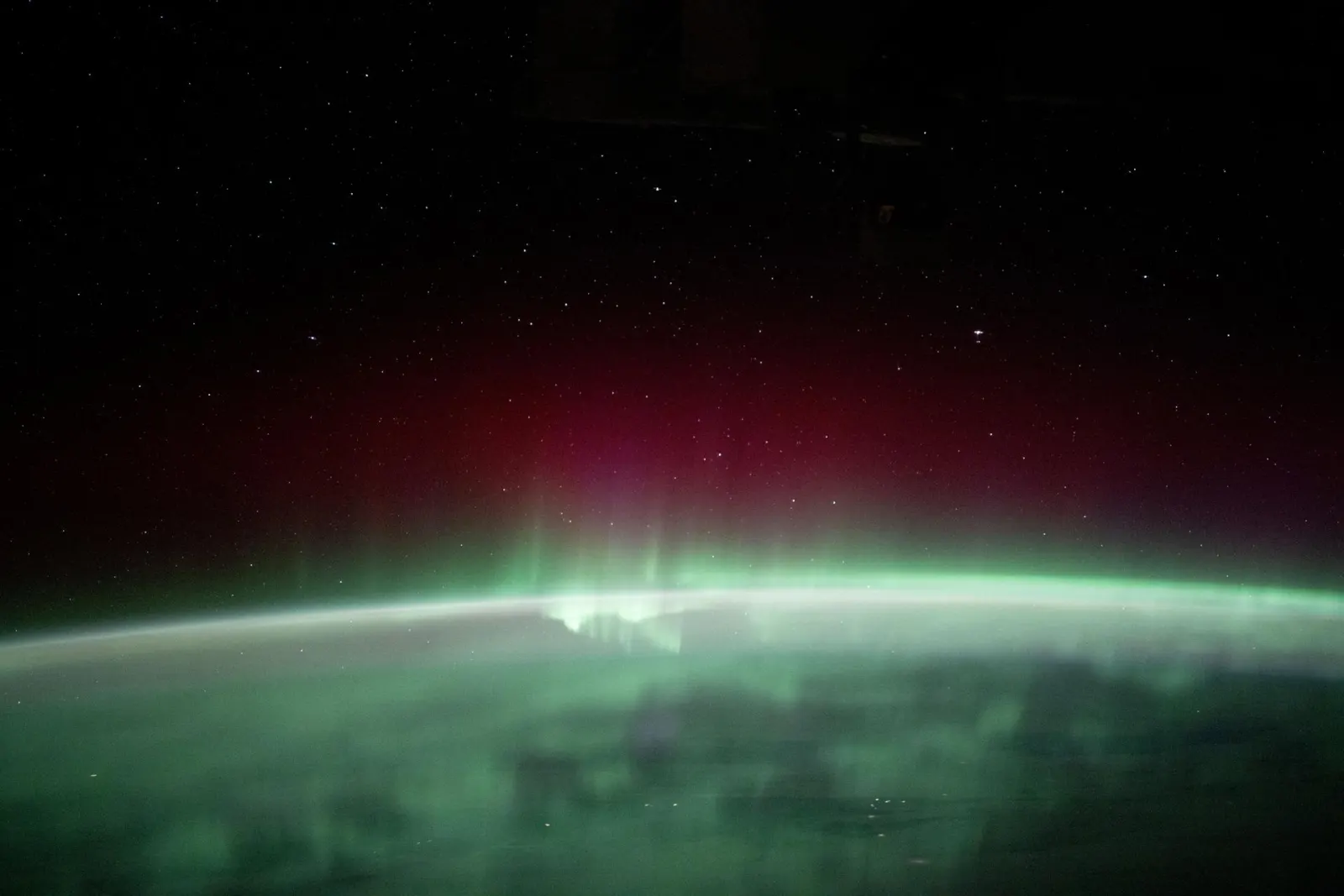
- Earth has an invisible magnetic shield. Near the poles, where the solar wind hits it, the sky glows with the northern lights.
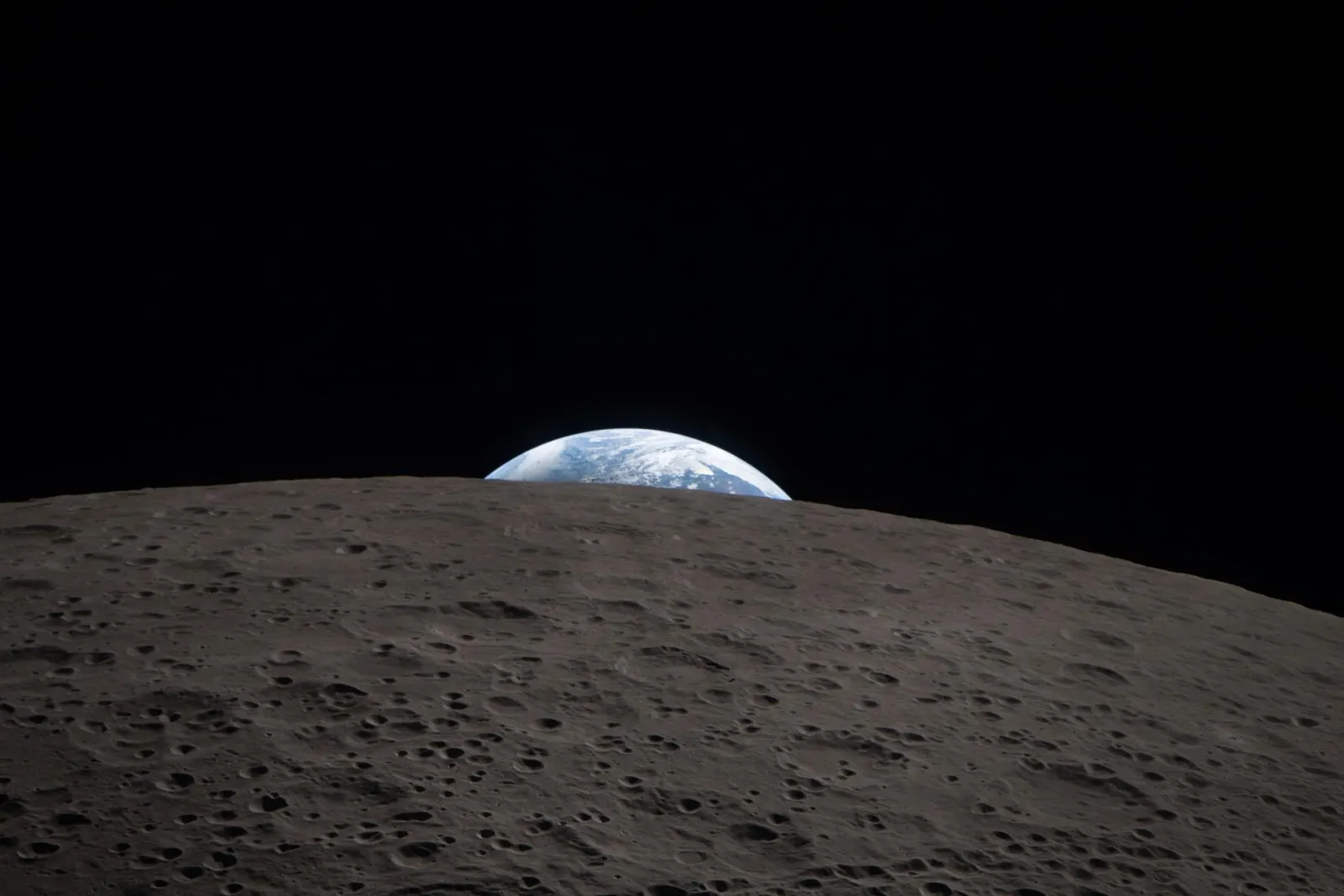
- The Moon pulls the water in the oceans. So twice a day the sea comes up the beach and goes back out — high tide and low tide.
- A space station with astronauts flies above us. It goes all the way around Earth in just an hour and a half.
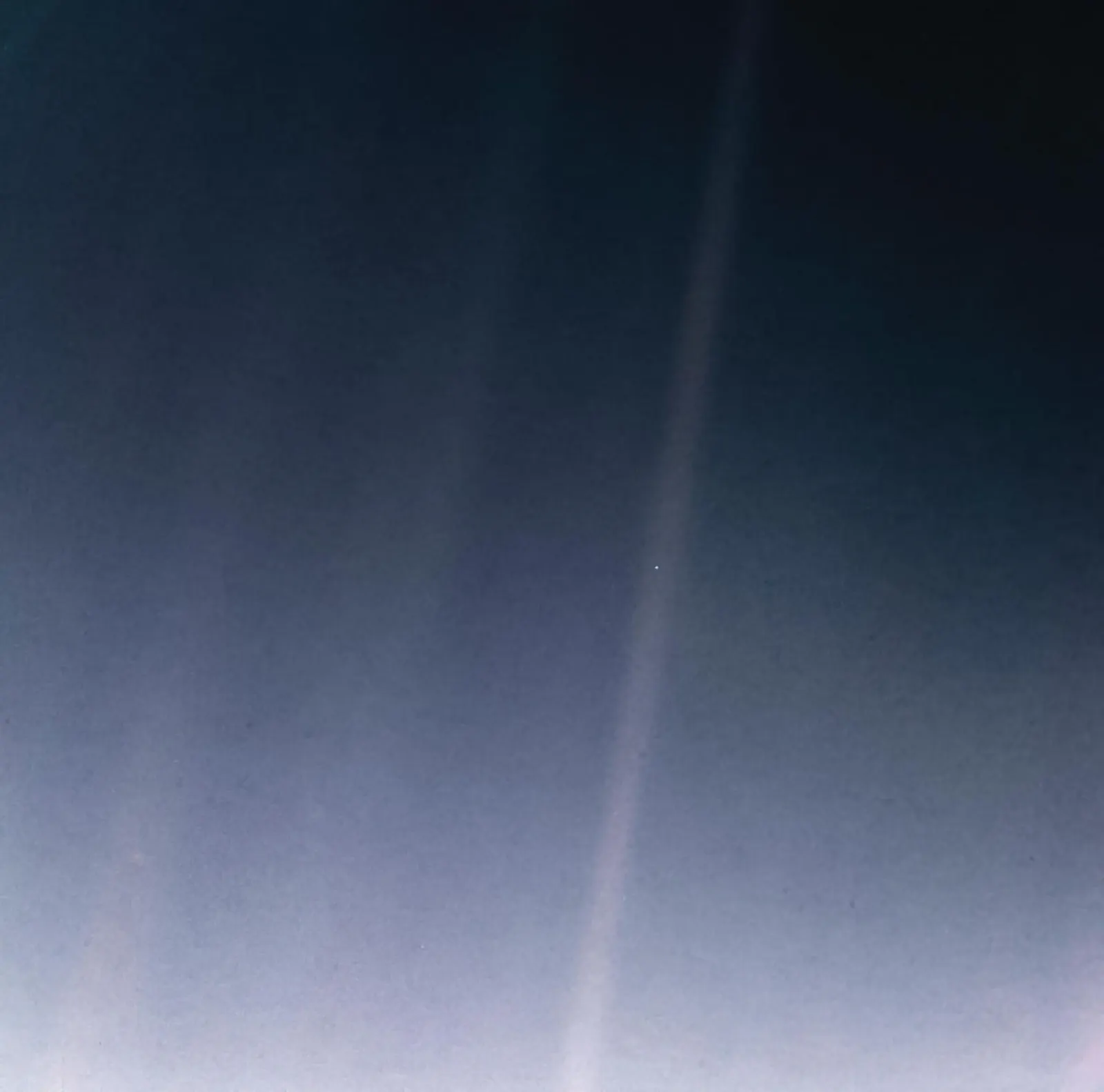
- From far away Earth looks blue because of the oceans. It's called the Blue Planet — and from very far away it's a tiny blue dot.
- Here you jump just as you're used to: this is the gravity you grew up with.
Jump on Earth
Shooting stars
Pebbles from space fly towards Earth, but the air protects us. Tap the pebbles and they burn up into shooting stars. Just don't touch the satellites and the station!
Find every wonder and the game opens! Seeds left: 11 of 11.
Expedition album
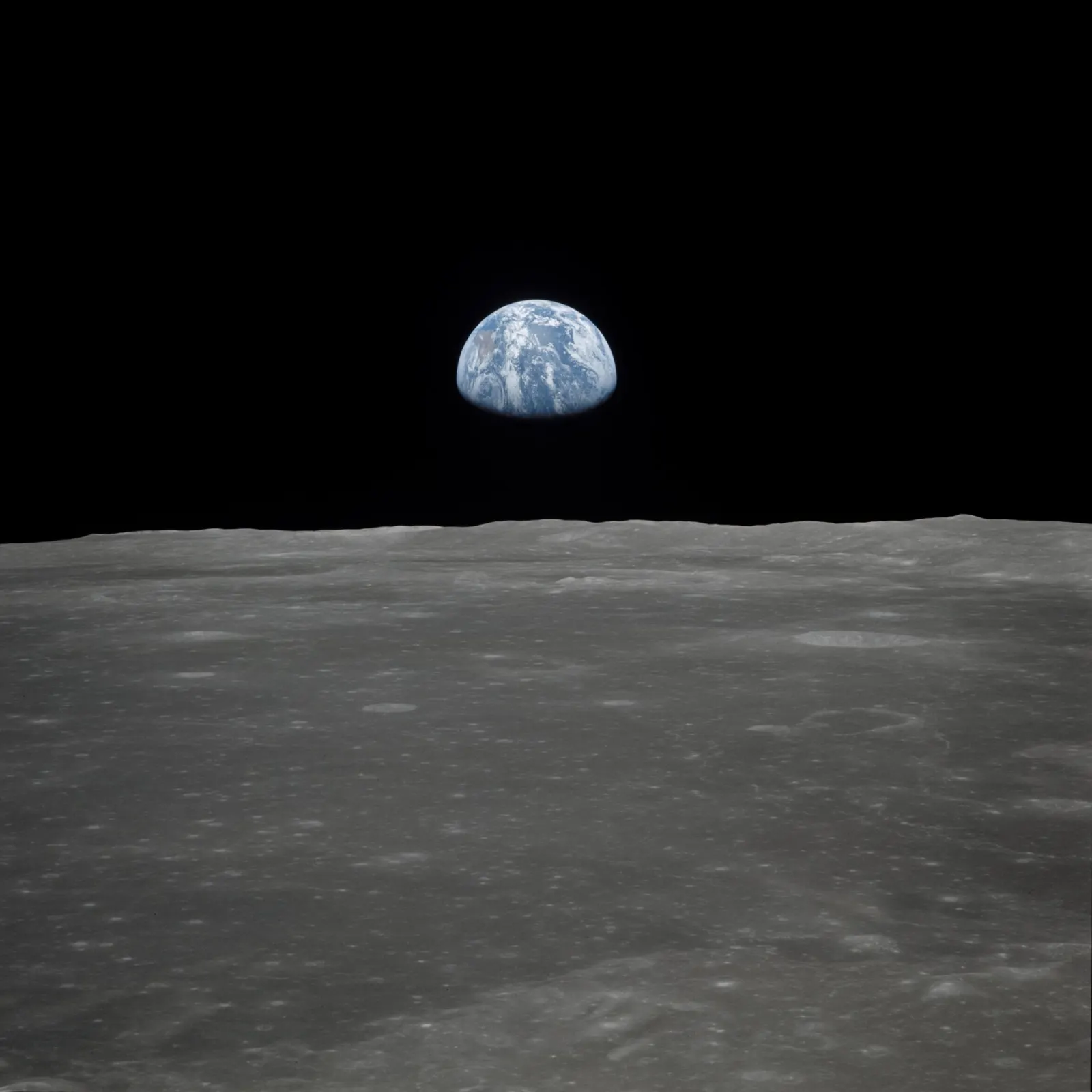
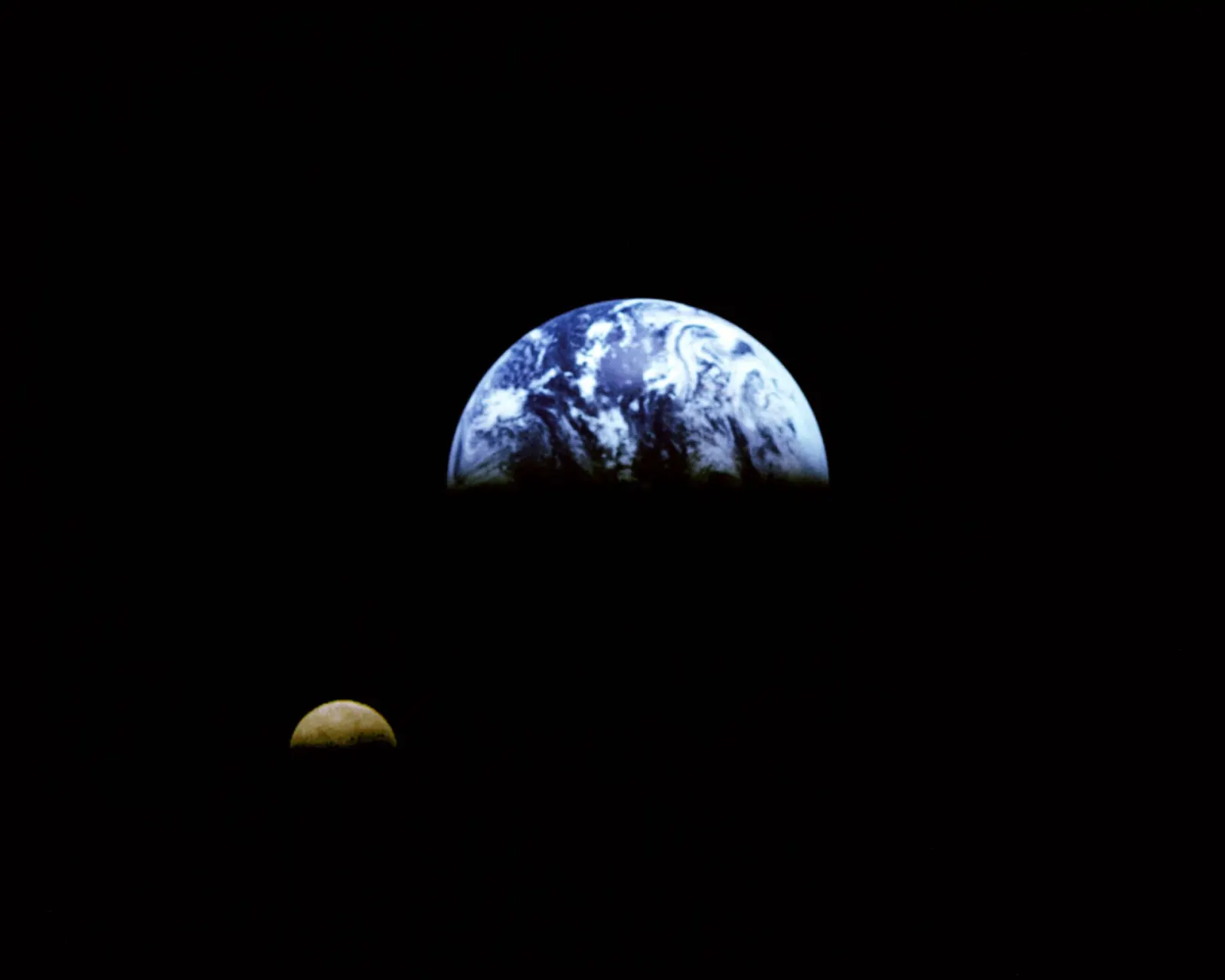
1 of 6 · swipe the photo aside, tap to look closer
A globe in your hands
Drag the globe to spin it. Tap a place and the globe turns to it.
For the curious
Earth is the biggest of the rocky planets. Its air is nitrogen and oxygen, and the ozone layer protects us from harmful sunlight. Inside is a hot core of iron and nickel, which gives Earth its magnetic field. The crust is split into plates that slowly move, making mountains, volcanoes and earthquakes. Earth has one moon.
| Diameter | 12,756 km |
|---|---|
| Gravity | 9.8 m/s² |
| Day | 24 hours |
| Year | 365.2 Earth days |
| From the Sun | 149.6 million km |
| Average temperature | 15 °C |
Astronaut exam
Find 5 more and we'll start the exam.
