 Growney Space
The Moon
The Moon is Earth's satellite, our closest neighbour in space. It is the only place beyond Earth where people have been.
What's hidden on the Moon?
Found 0 of 10
Drag sideways to walk all the way round. Tap the seeds

Look for the seeds — I'll tell you about every wonder!
Field journal · The Moon
Nothing yet. The wonders you find will be written here.
Peek at all the wonders
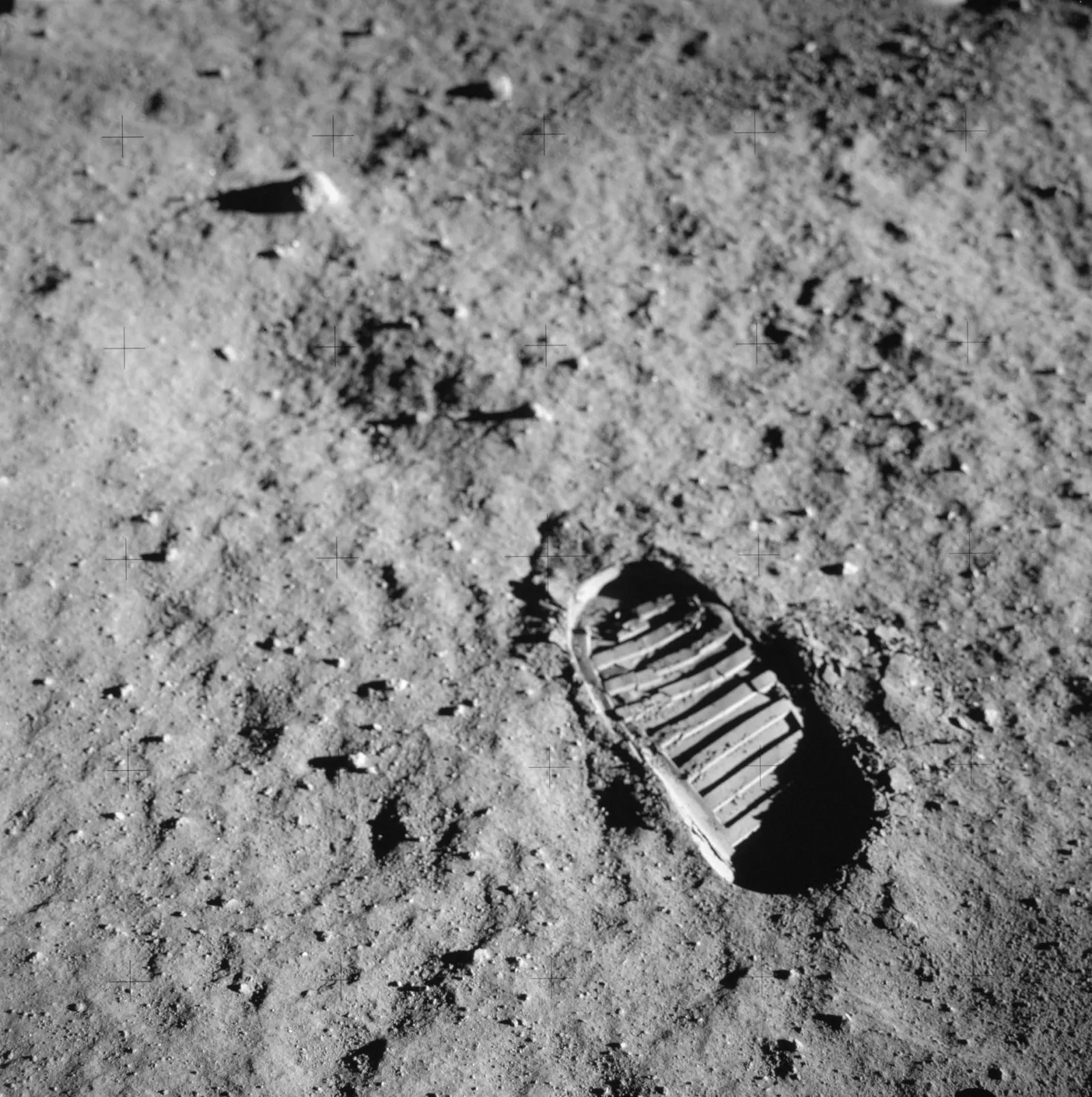
- The astronauts' footprints have lain on the Moon for more than half a century. There is no wind and no rain here, so nothing wipes them away.
- The Moon is covered in craters, dents left by rocks from space. There is no air to burn them up, so they have been landing here for billions of years.
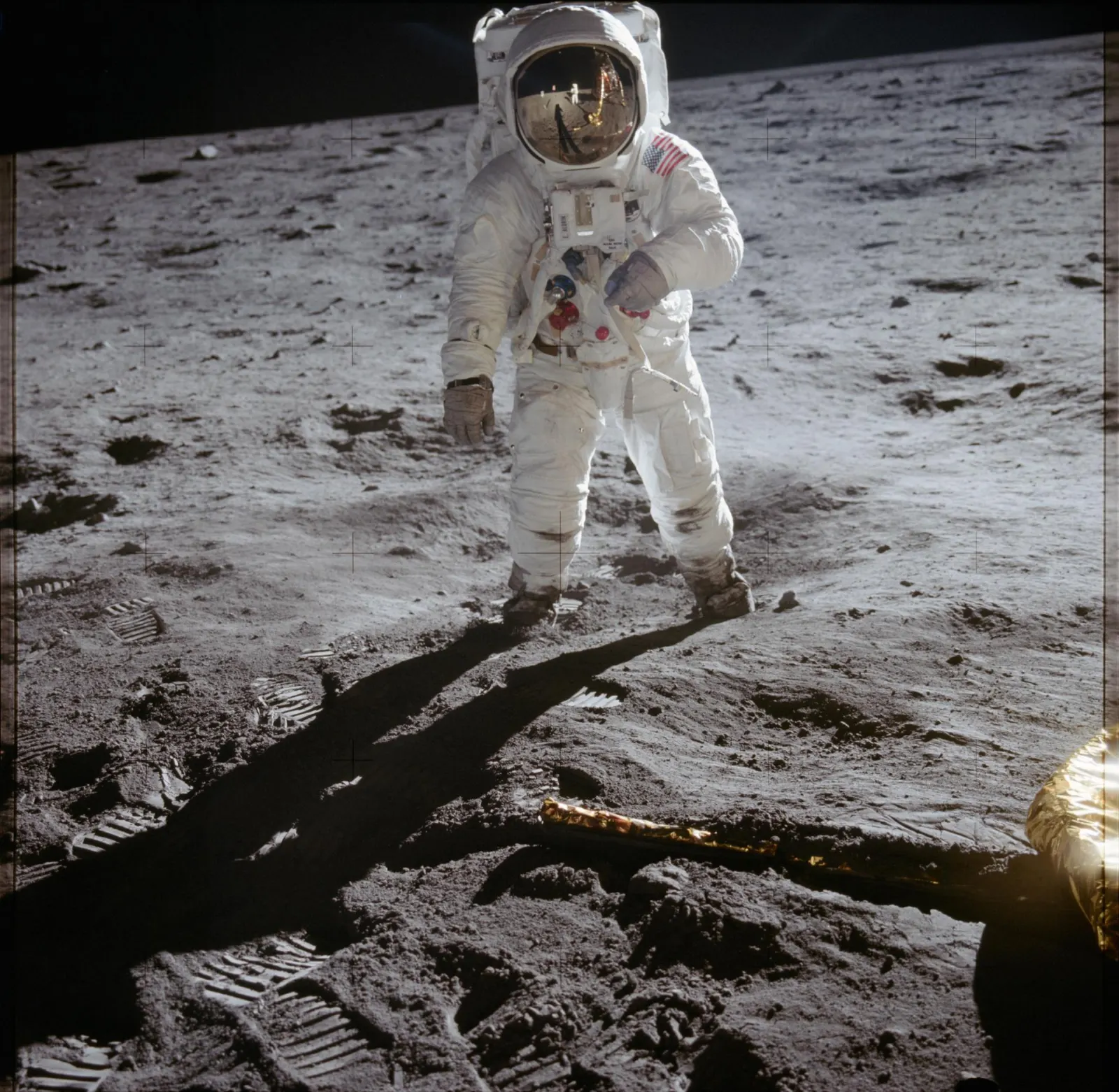
- Twelve people have walked on the Moon. The first were Neil Armstrong and Buzz Aldrin, in 1969, on the Apollo 11 spacecraft.
- Gravity here is six times weaker than on Earth. The astronauts didn't walk, they hopped like kangaroos.
- The Moon makes no light of its own: it reflects sunlight. That's why from Earth we see a thin crescent one week and a full circle another.
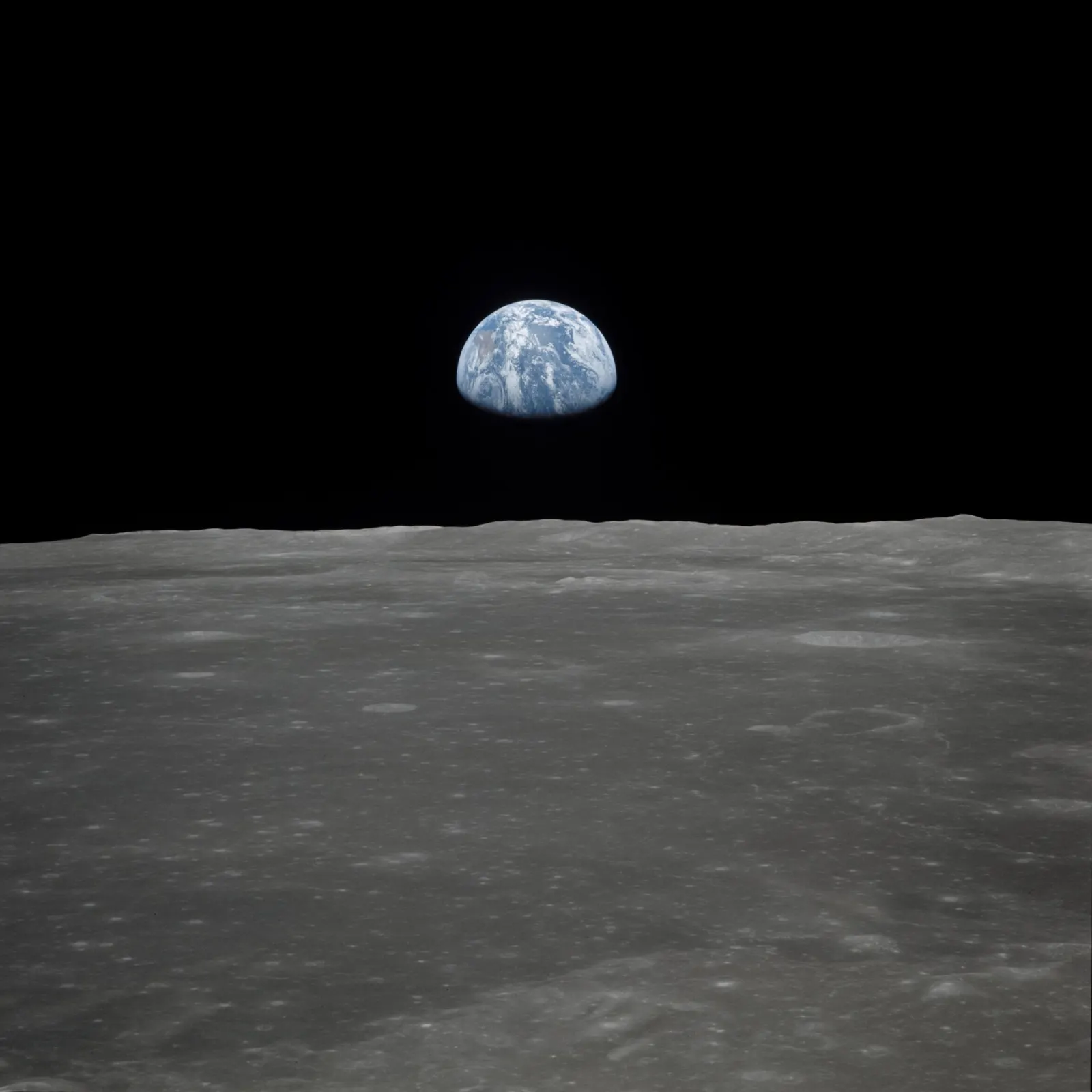
- From here Earth hangs in the sky like a blue marble and never sets. It is four times wider than the Moon in our sky.
- I walked all the way round the Moon, and Earth disappeared! The Moon always keeps the same side towards Earth, so from the far side you never see it.
- Big as Earth looks from here, you can hide it behind the thumb of your outstretched arm. The Moon in our sky hides behind a fingernail.
- A day on the Moon lasts two of our weeks, and then it is night for two weeks. You could sleep fourteen times before the Sun goes down.
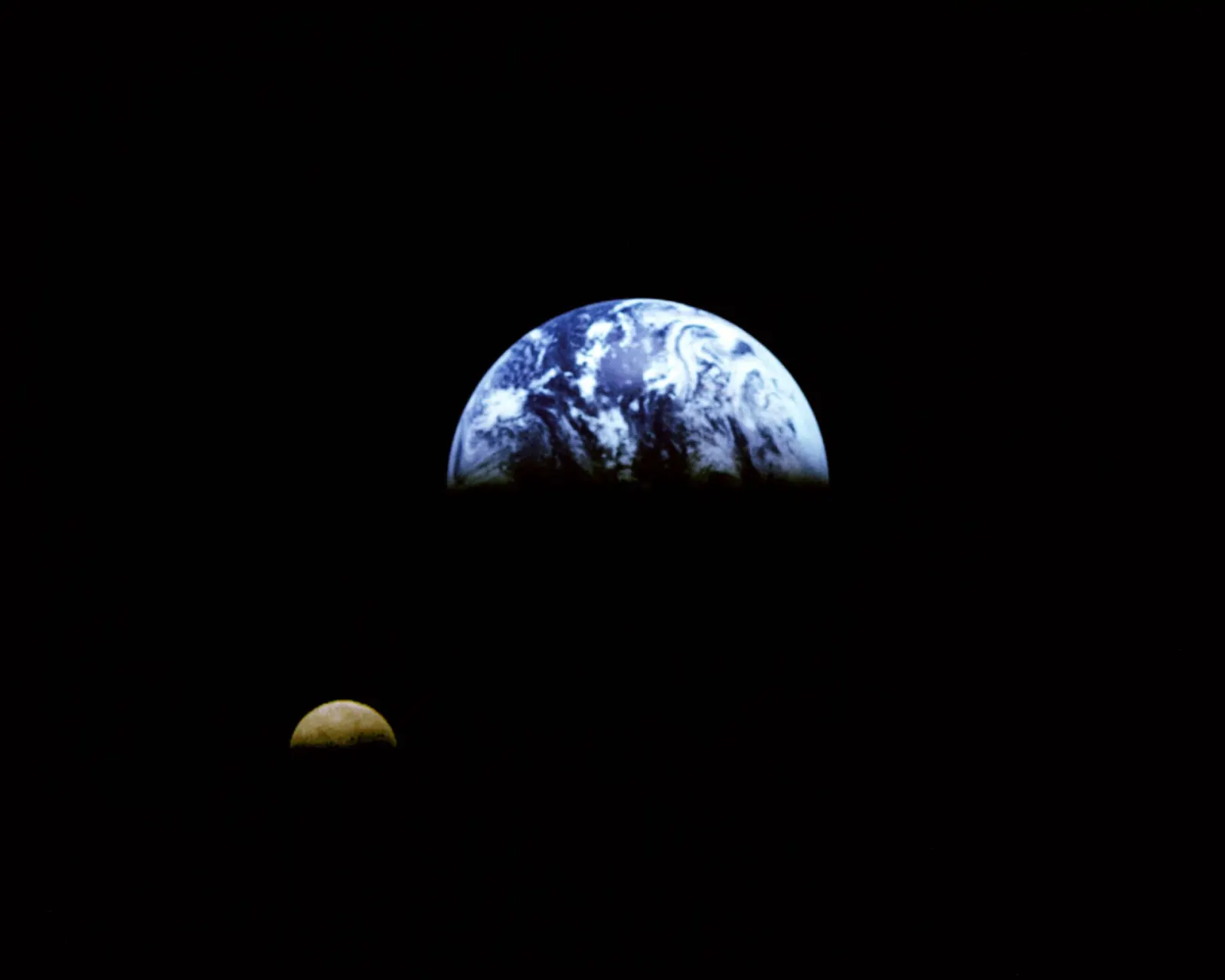
- The Moon is far away: thirty Earths would fit between it and Earth. The Apollo rocket took three days to get here.
Experiments on the Moon
Moon hops
Gravity on the Moon is six times weaker, so the astronauts hopped instead of walking. Hop over the craters like a kangaroo and collect moon rocks for the scientists!
Find every wonder and the game opens! Seeds left: 10 of 10.
Expedition album
1 of 4 · swipe the photo aside, tap to look closer
A globe in your hands
Drag the globe to spin it. Tap a place and the globe turns to it.
For the curious
The Moon is the only place beyond Earth where a person has stood. It is four times smaller than Earth and drifts 3.8 centimetres farther from us every year. There is almost no air, so there is no sound either, and the temperature leaps from +121 °C by day to −133 °C at night. The dark patches we see from Earth are "seas" of hardened lava, not water.
| Diameter | 3,475 km |
|---|---|
| Gravity | 1.6 m/s² |
| Day | 708.7 hours |
| Temperature by day | 121 °C |
| Temperature at night | -133 °C |
Astronaut exam
Find 5 more and we'll start the exam.
