 Growney Space
Venus
Venus is the second planet from the Sun and Earth's neighbour. Thick clouds cover it, and under them is the hottest place in the Solar System.
What's hidden on Venus?
Found 0 of 11
Swipe sideways and tap the seeds

Look for the seeds — I'll tell you about every wonder!
Field journal · Venus
Nothing yet. The wonders you find will be written here.
Peek at all the wonders
- Venus is the hottest planet: 467 °C. It's hotter than a pizza oven, even though Mercury is closer to the Sun.
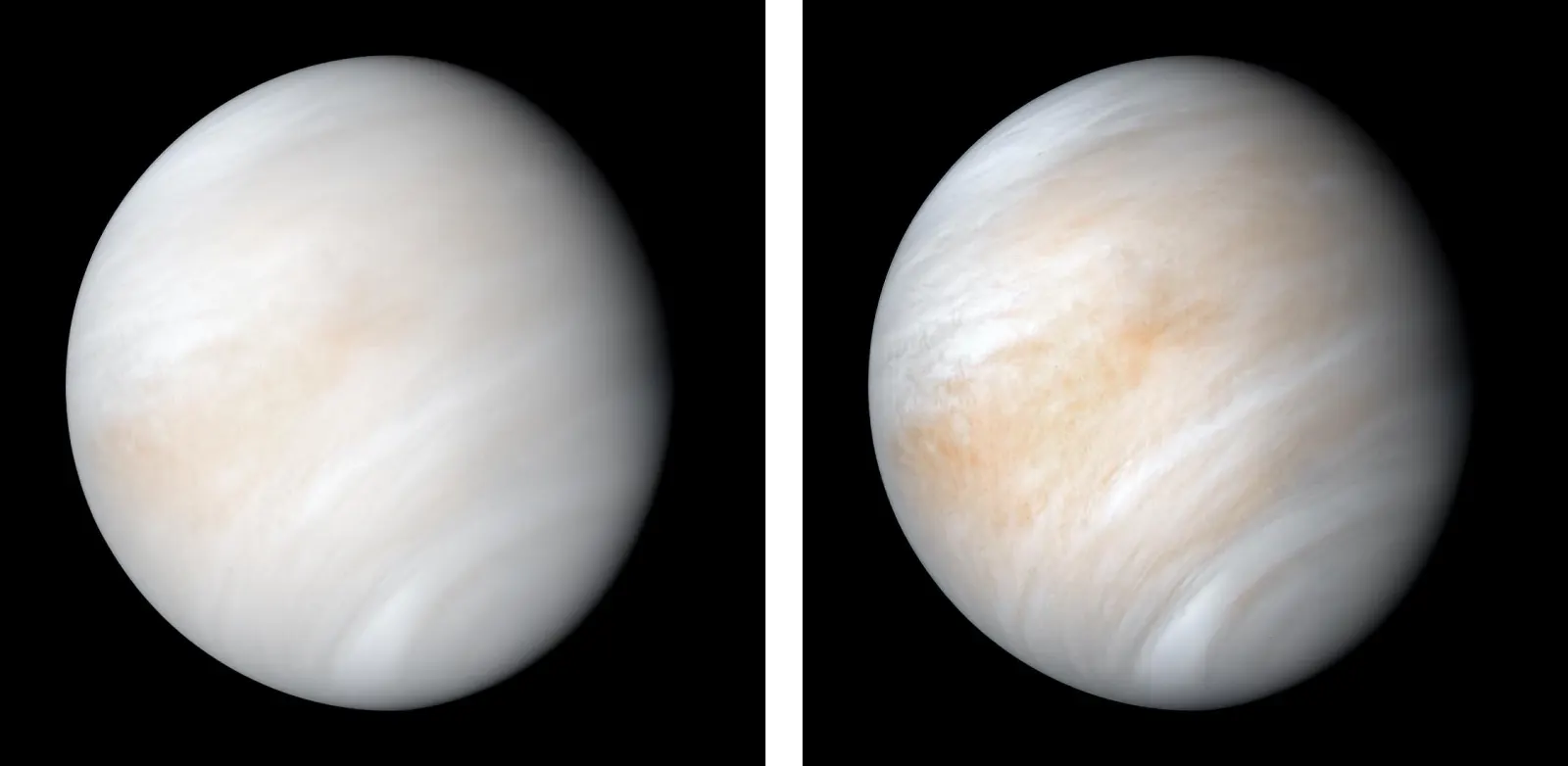
- Thick clouds of acid cover Venus. You can hardly see the Sun through them, so the sky here is yellow and gloomy.
- The air here is so heavy, it feels like being at the bottom of the sea, almost a kilometre underwater.
- Venus spins backwards: the Sun rises in the west and sets in the east.
- Venus turns very slowly: one turn takes 243 days, but a year only 225. A day here is longer than a year!
- Down low there's hardly any wind, but up in the clouds it races at 360 kilometres an hour — faster than a train.
- Venus is almost the same size as Earth, so it's called Earth's sister.
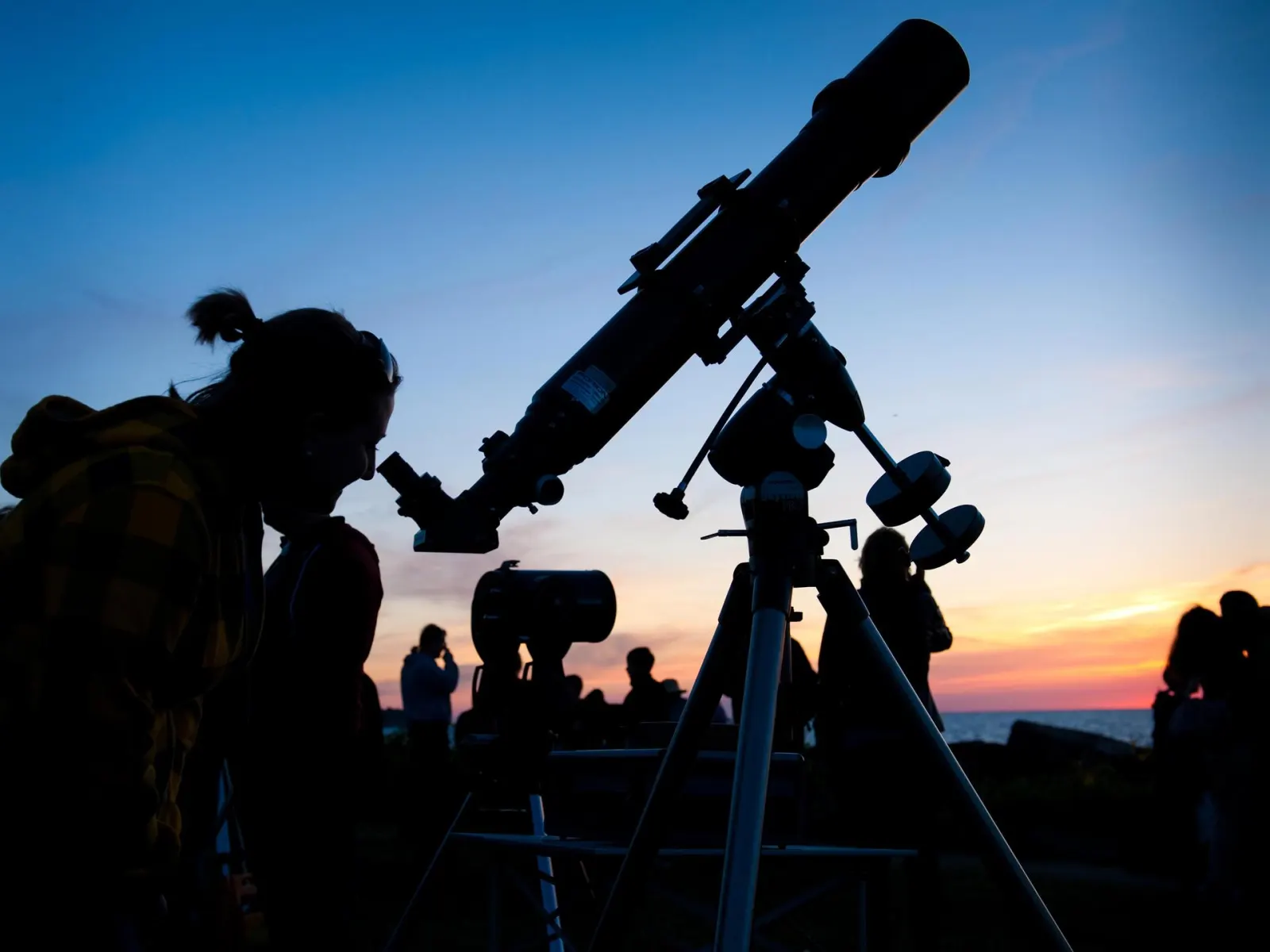
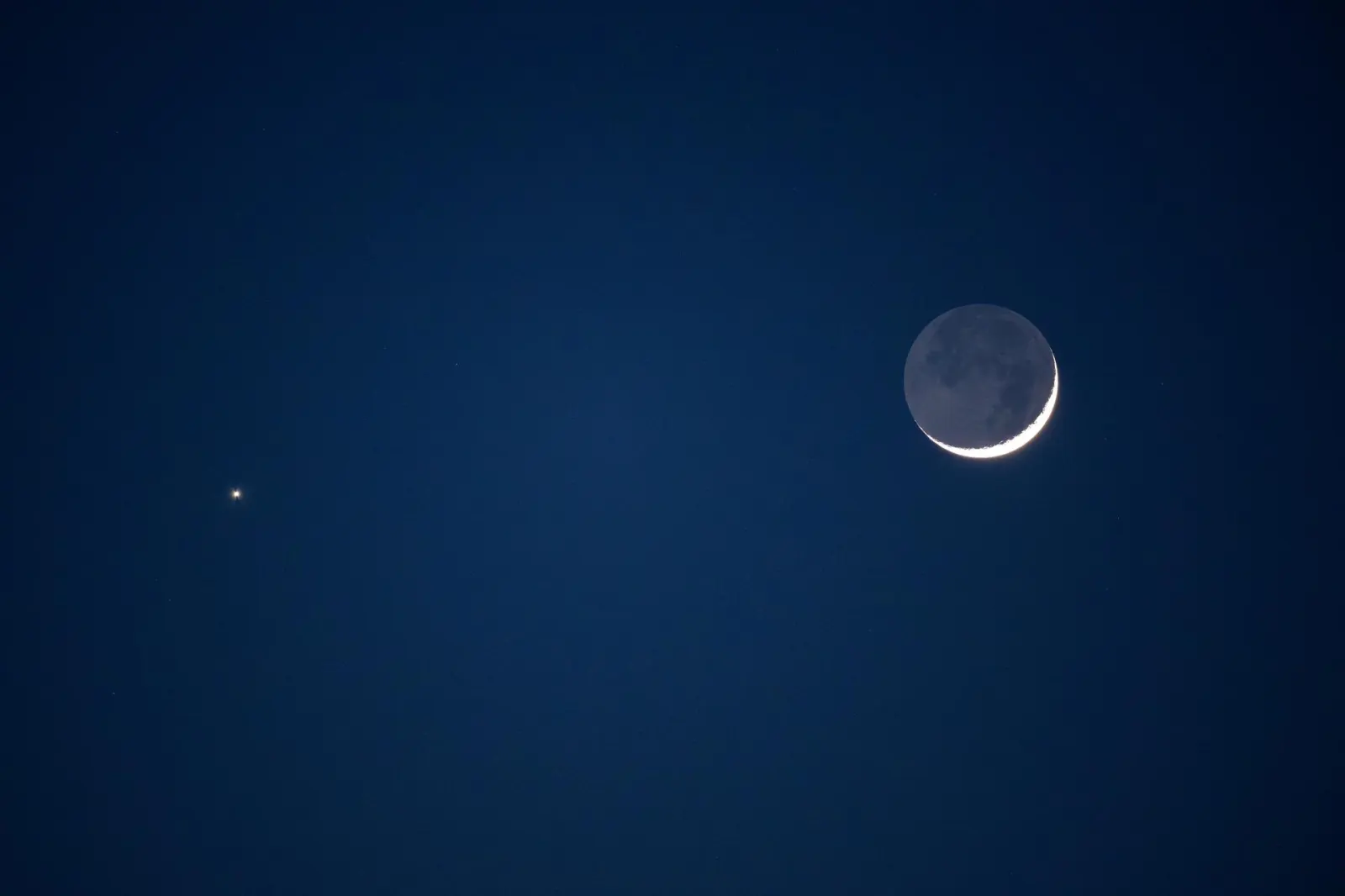
- From Earth you can see Venus in the evening or morning as a very bright star. Only the Sun and the Moon are brighter.
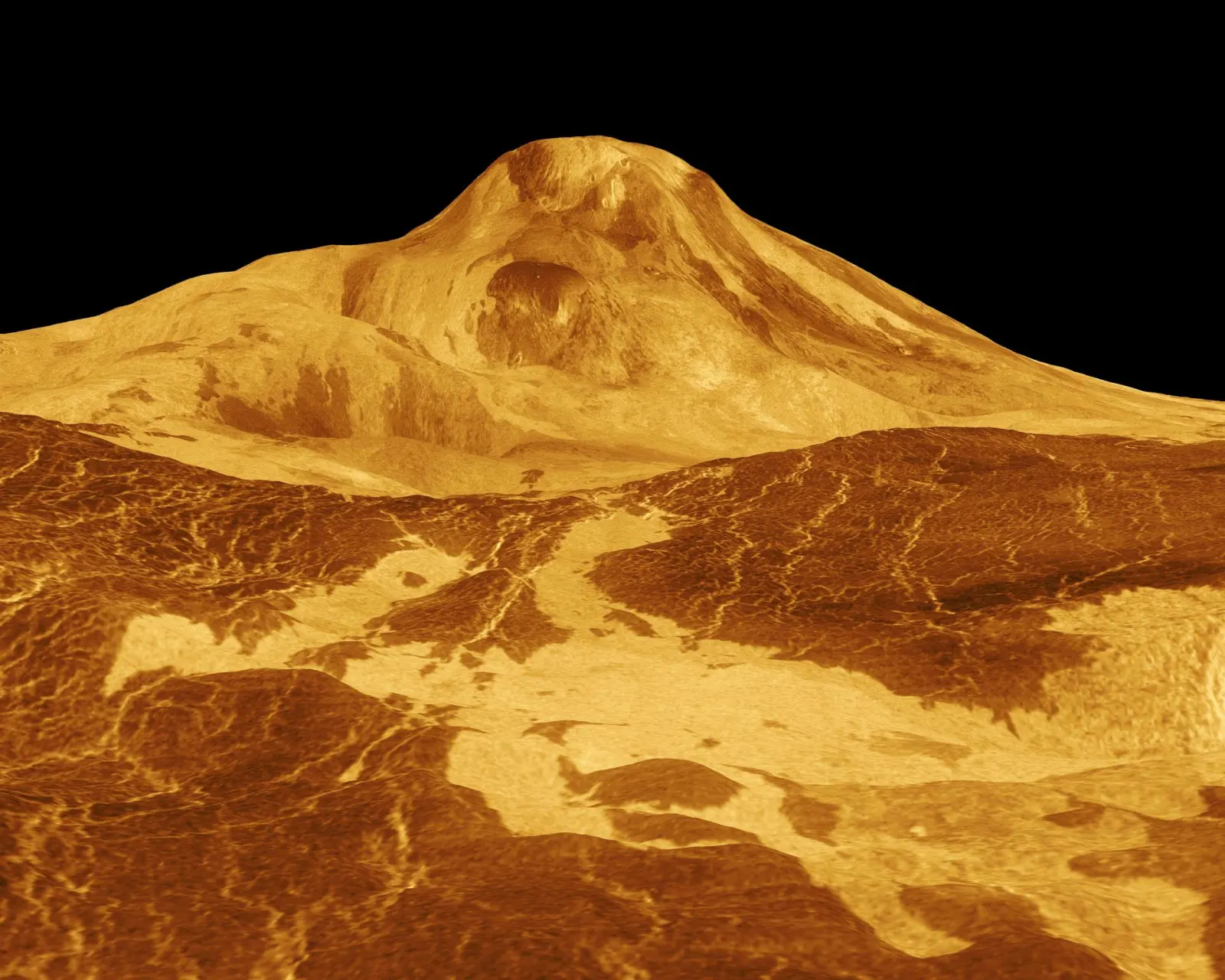
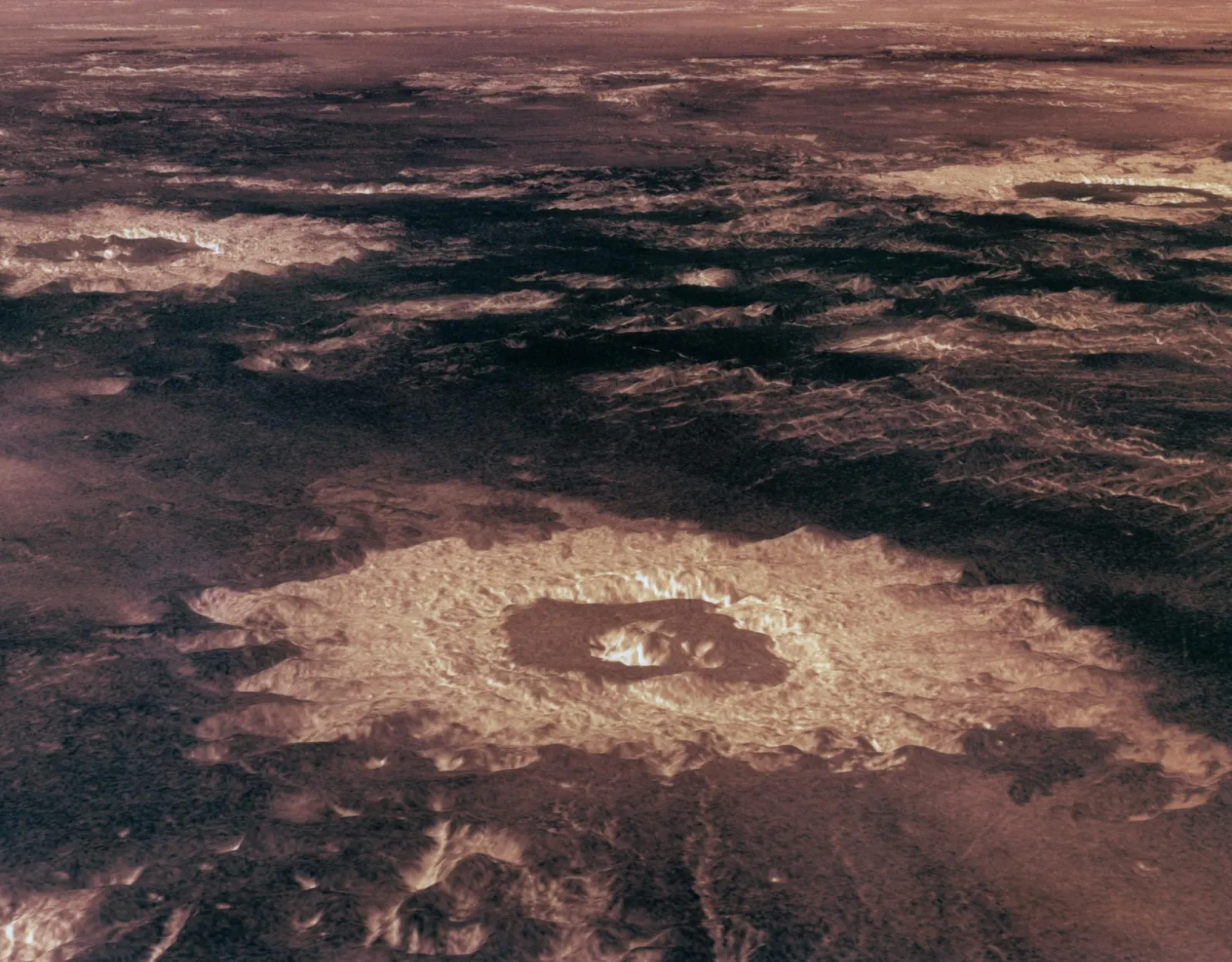
- Venus has thousands of volcanoes — more than any other planet.
- Spacecraft have landed on Venus, but the heat and pressure broke them. The toughest one lasted only two hours.
- Gravity here is almost like on Earth — you'd jump only a little higher.
Jump on Earth and on Venus
Balloon in the clouds
High in Venus's clouds it isn't so hot. Growney flies a balloon: hold “Up” to rise, let go to sink. Dodge the storm clouds and collect samples!
Find every wonder and the game opens! Seeds left: 11 of 11.
Expedition album
1 of 6 · swipe the photo aside, tap to look closer
A globe in your hands
Drag the globe to spin it. Tap a place and the globe turns to it.
For the curious
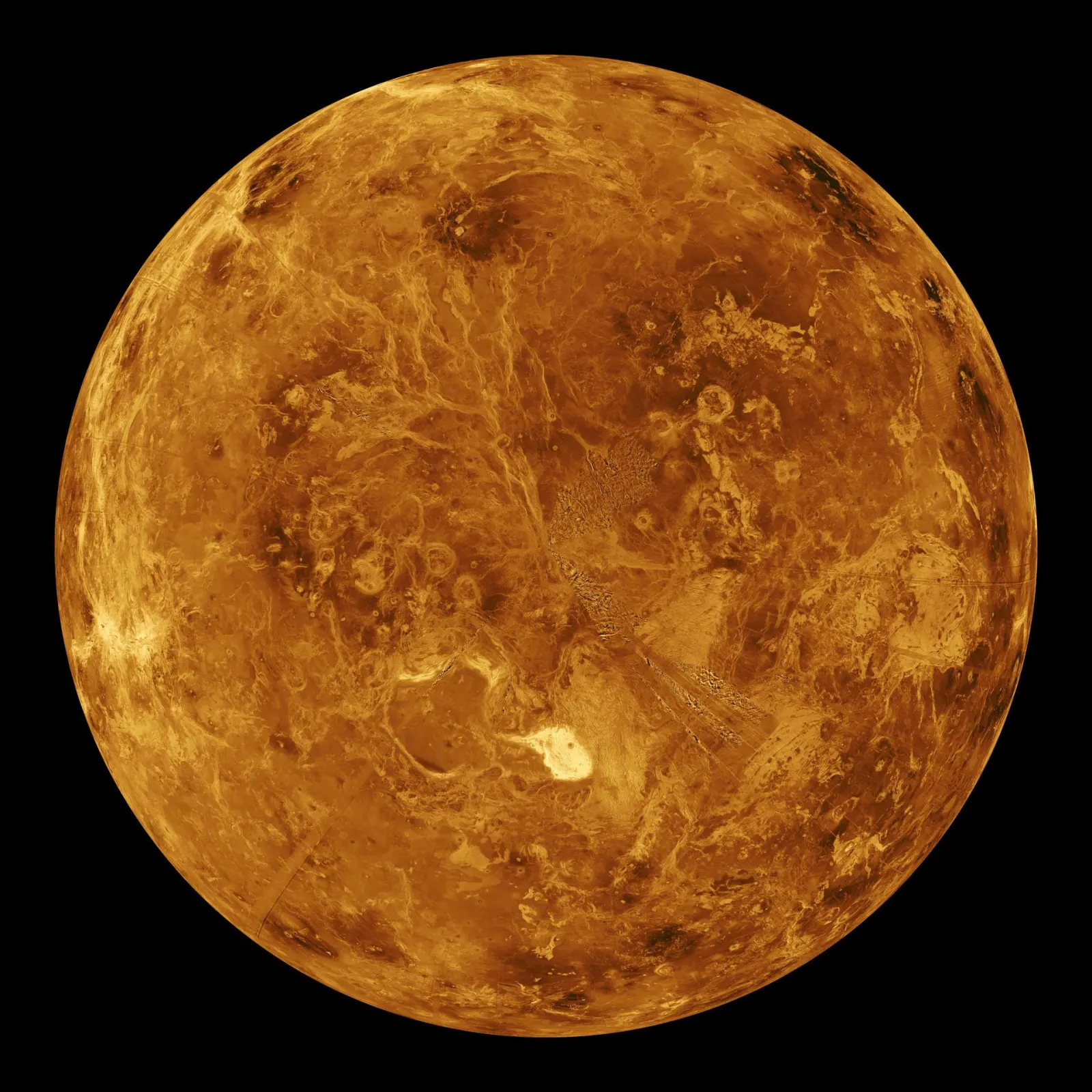
Venus is almost as big as Earth but not at all like it. Its air is nearly all carbon dioxide, which holds heat like a blanket, so the surface is just as hot by day and by night. Clouds of sulfuric acid reflect lots of sunlight — that's why Venus shines so brightly in our sky. Scientists saw the surface under the clouds thanks to the radar of the Magellan spacecraft.
| Diameter | 12,104 km |
|---|---|
| Gravity | 8.9 m/s² |
| Day | 2,802 hours |
| Year | 224.7 Earth days |
| From the Sun | 108.2 million km |
| Average temperature | 464 °C |
Astronaut exam
Find 5 more and we'll start the exam.
