 Growney Space
Mercury
Mercury is the smallest planet and the closest to the Sun. There is almost no air, so everything is upside down: scorching by day, freezing at night, and the sky is always black.
What's hidden on Mercury?
Found 0 of 11
Swipe sideways and tap the seeds

Look for the seeds — I'll tell you about every wonder!
Field journal · Mercury
Nothing yet. The wonders you find will be written here.
Peek at all the wonders
- The Sun here is more than three times bigger than in our sky and shines seven times brighter.
- There is almost no air here, so the sky is black even in the daytime — and you can see the stars.
- By day it's +430 °C — lead would melt! At night it freezes to −180 °C.
- In deep craters near the pole, where the Sun never looks in, scientists have found ice.
- Mercury used to be bigger. As it cooled down, it shrank and wrinkled like a dried apple.
- The Caloris crater is so wide that a plane would take two hours to fly across it.
- Inside Mercury is a huge iron core — it fills most of the planet.
- A year on Mercury is 88 days, but a day from sunrise to sunrise is 176. A day here is longer than a year!
- Mercury is the fastest planet: 47 kilometres every second. That fast, you could fly around the Earth in 15 minutes!
- Without air there is no sound. It's quiet here, even when a rock falls right next to you.
- Gravity is weaker than on Earth — you could jump almost three times higher.
Jump on Earth and on Mercury
Twilight trail
Growney runs along the sunrise: the Sun bakes ahead, frost chases behind. Jump over craters and collect ice crystals!
Find every wonder and the game opens! Seeds left: 11 of 11.
Expedition album
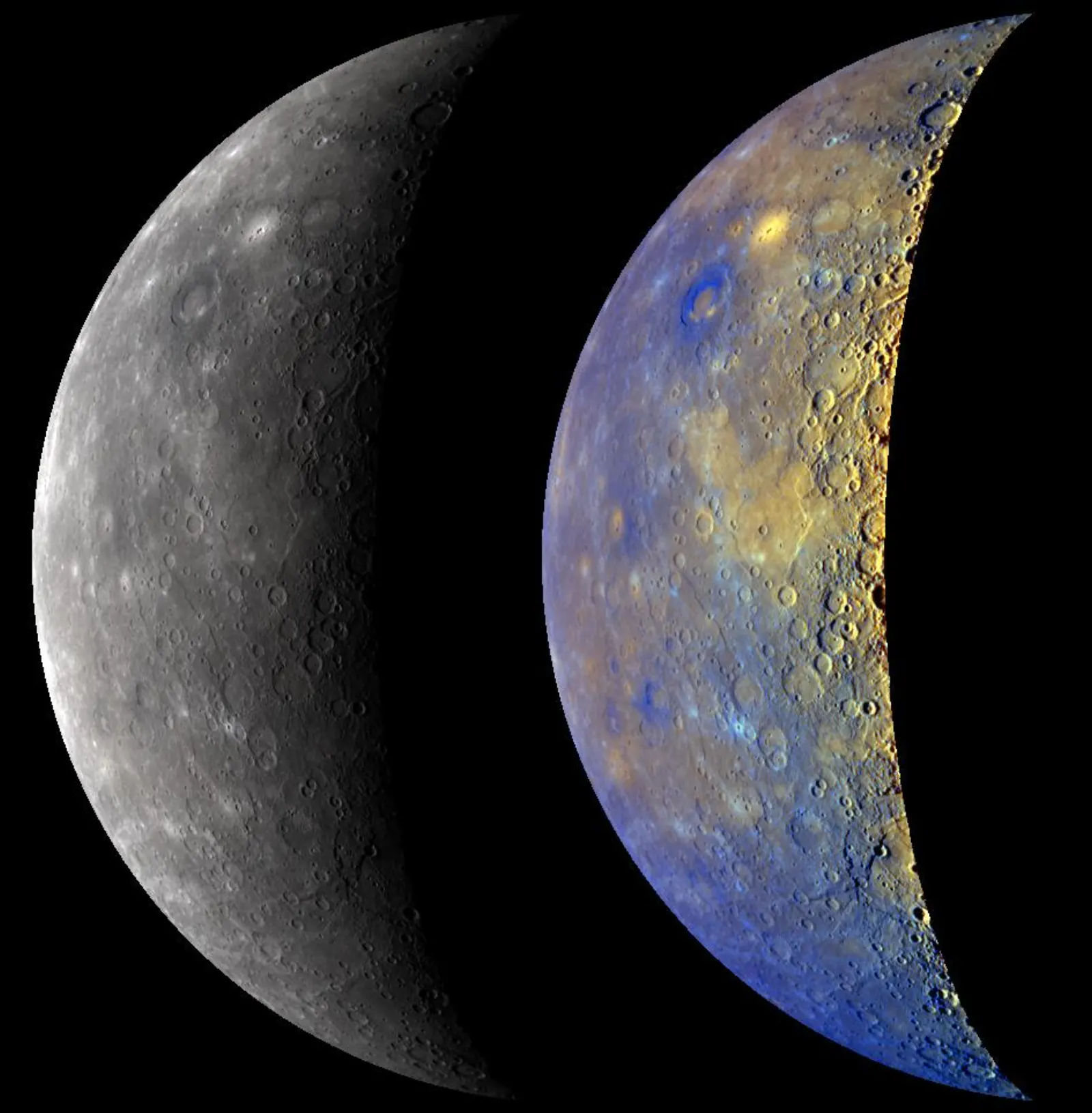
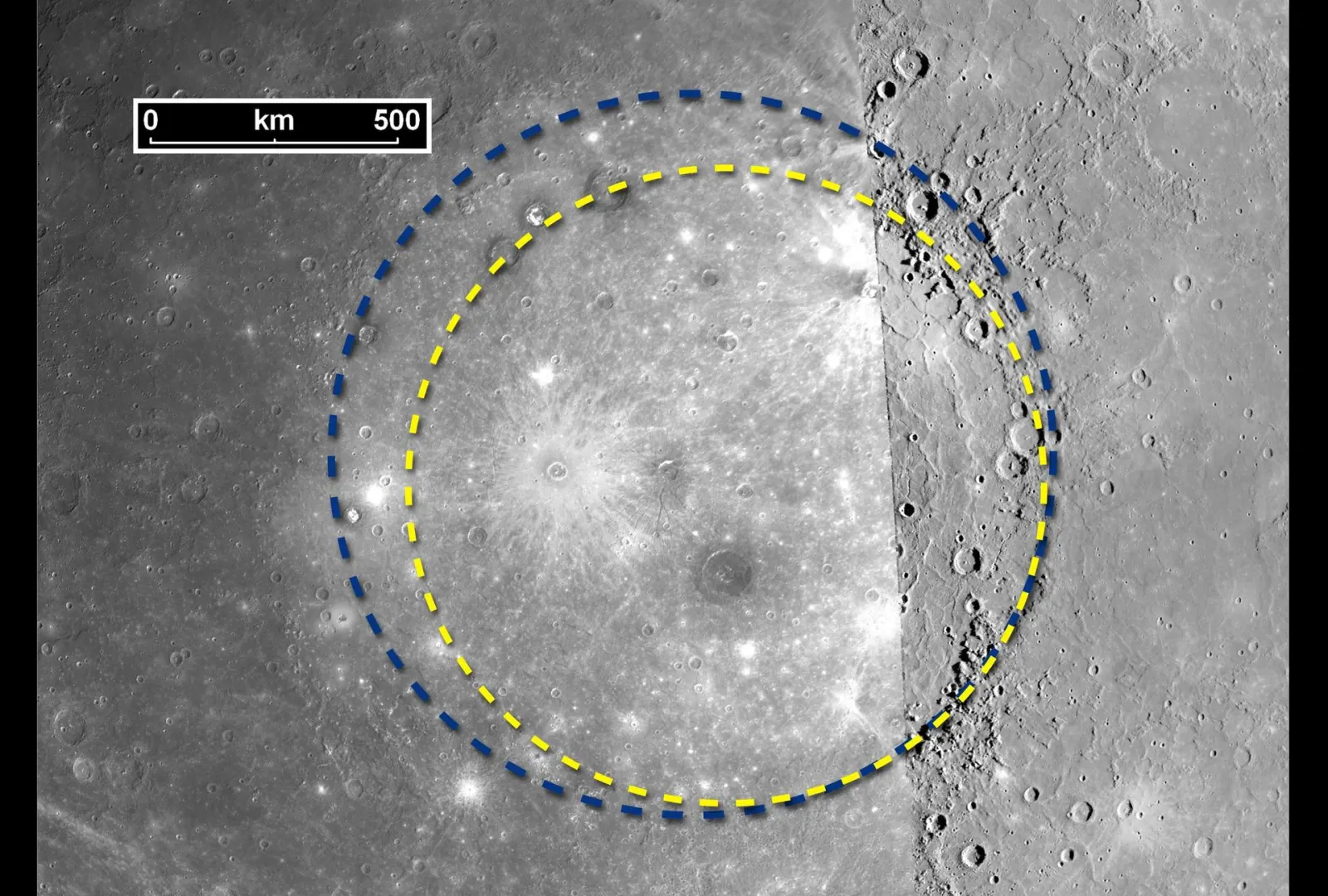
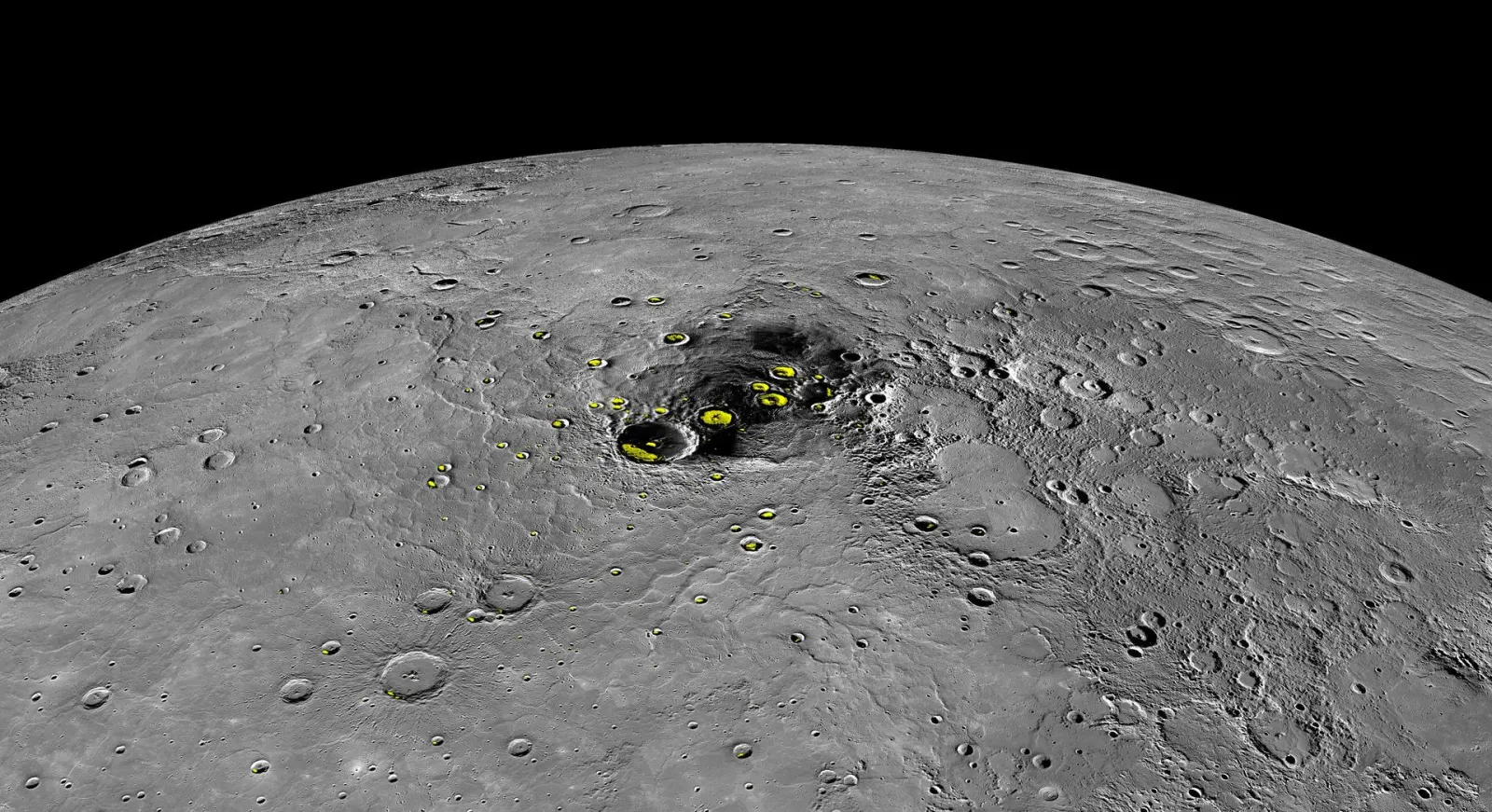
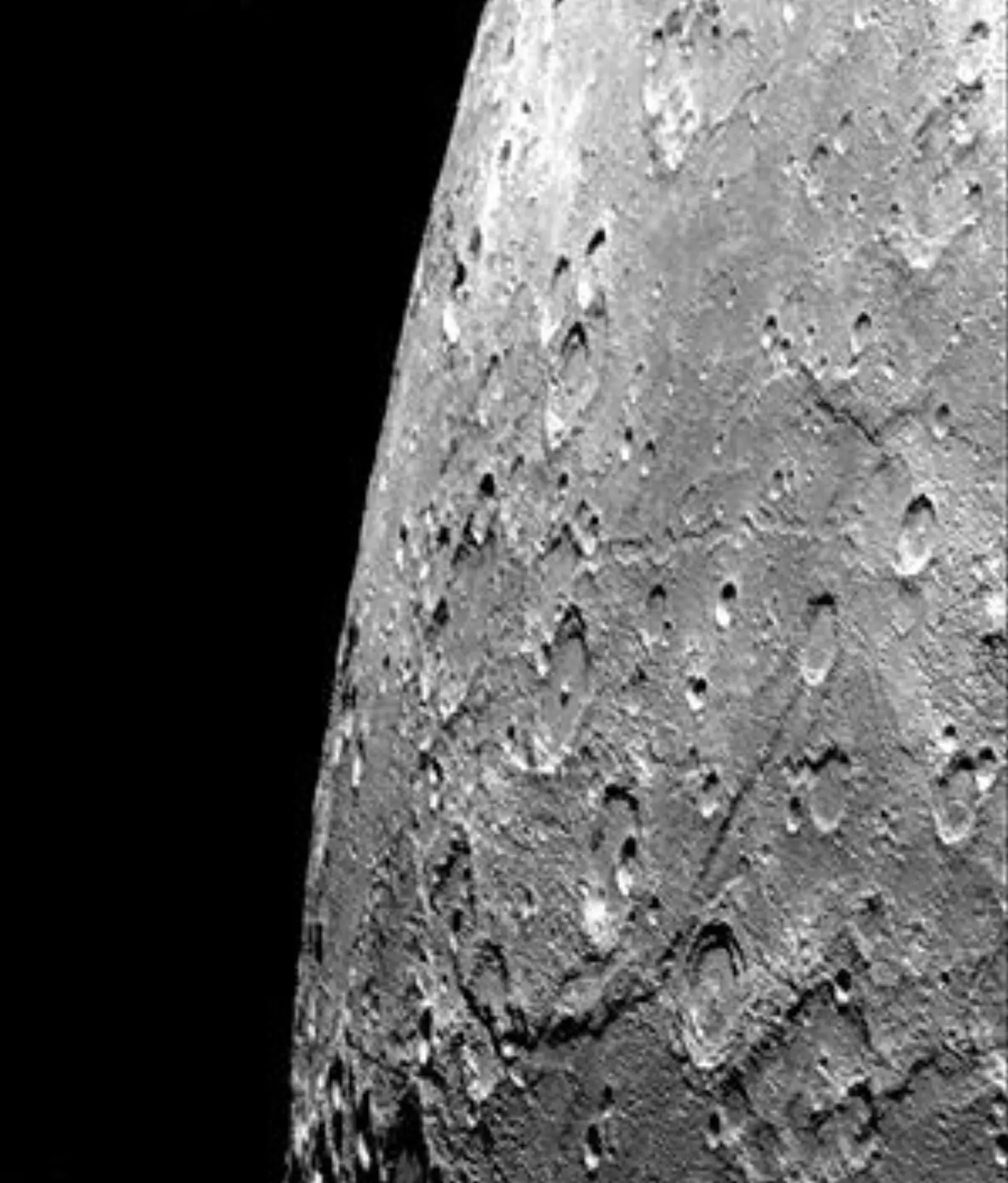
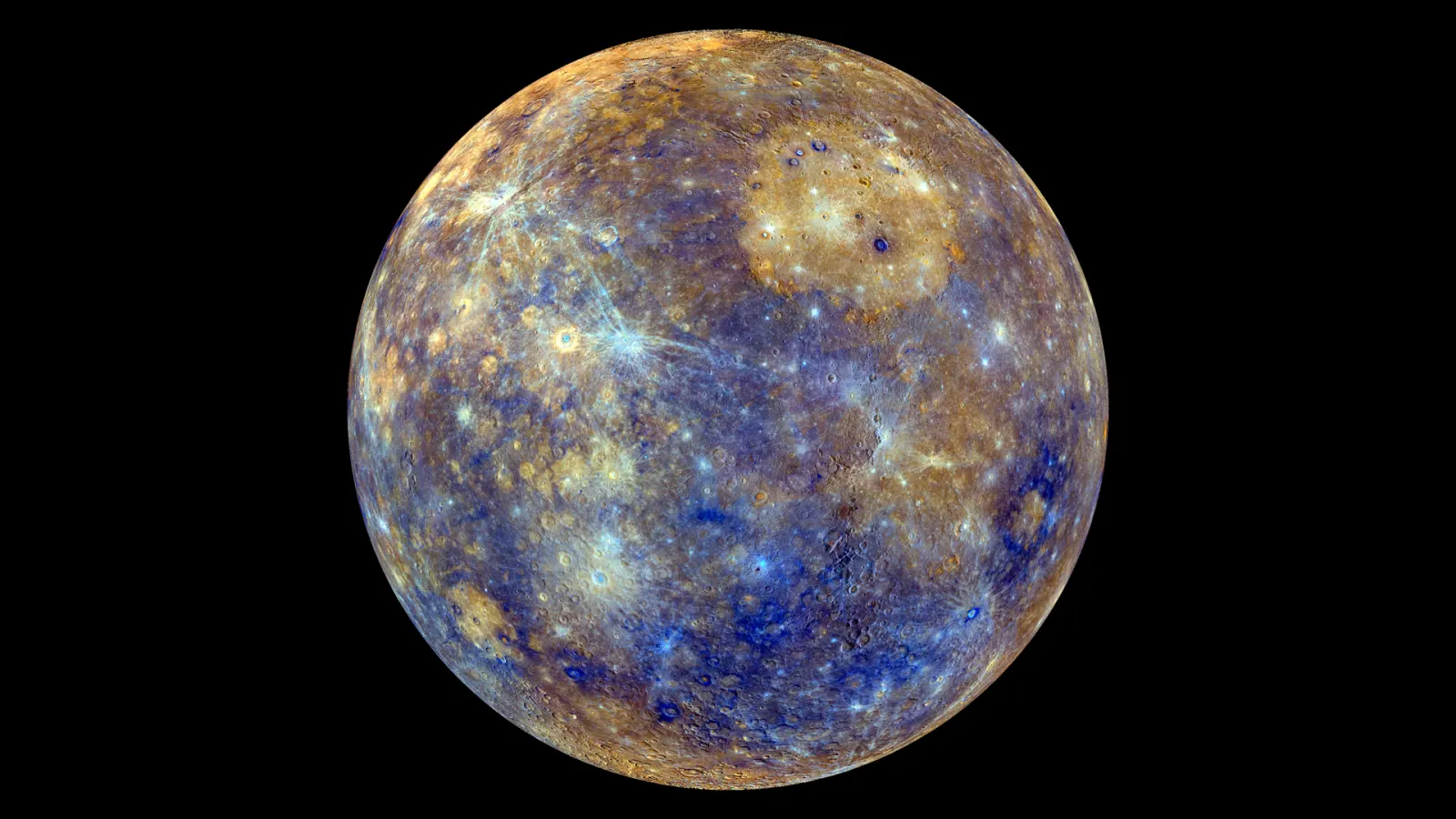
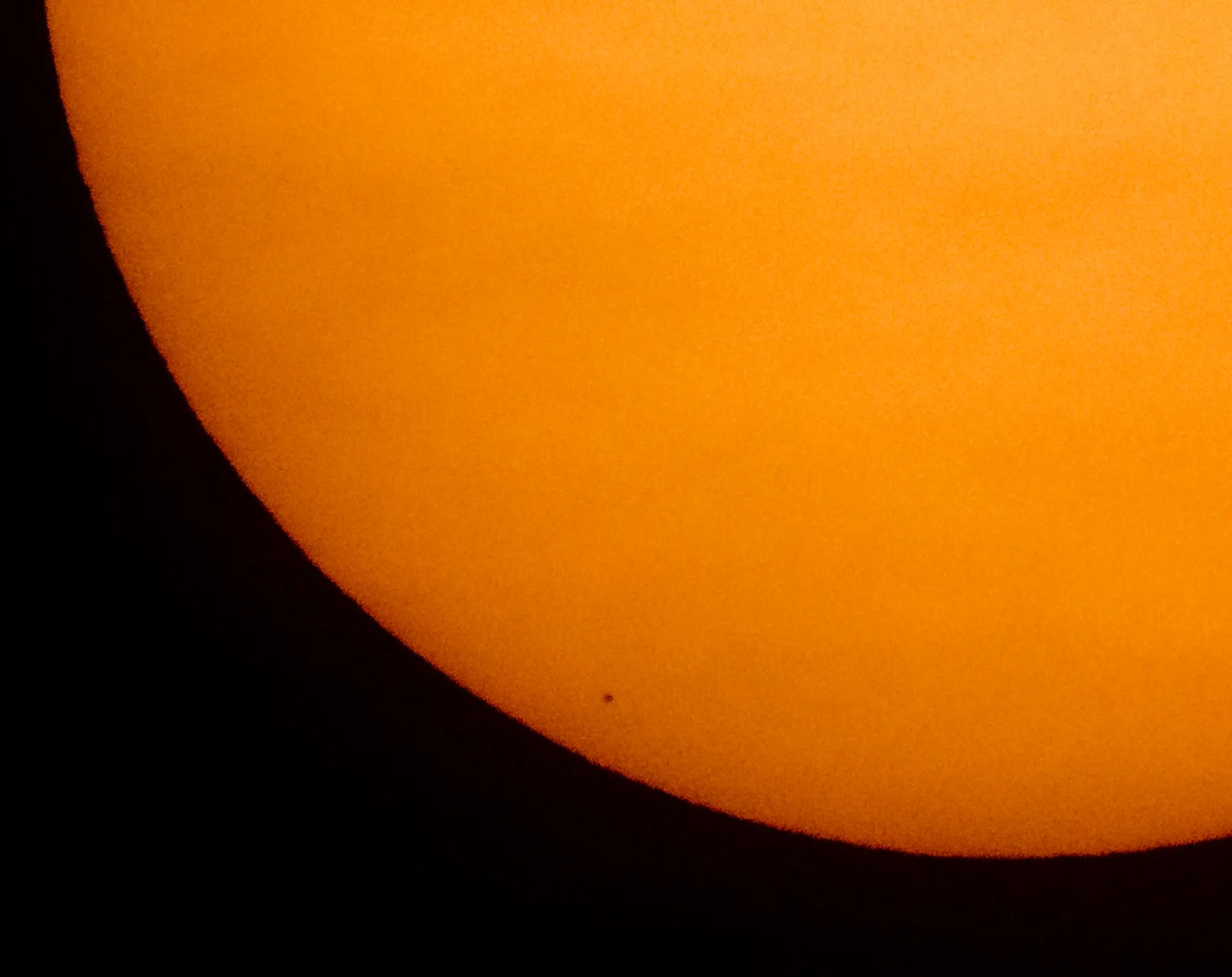
1 of 6 · swipe the photo aside, tap to look closer
A globe in your hands
Drag the globe to spin it. Tap a place and the globe turns to it.
For the curious
Mercury is a little bigger than the Moon. It has no moons and almost no atmosphere, so heat doesn't stay: the sunlit side bakes and the shady side freezes. It spins slowly but races around the Sun, so one solar day lasts two Mercury years. Mariner 10 took the first close-up pictures, and the MESSENGER spacecraft, which orbited it for four years, mapped the whole planet.
| Diameter | 4,879 km |
|---|---|
| Gravity | 3.7 m/s² |
| Day | 4,222.6 hours |
| Year | 88 Earth days |
| From the Sun | 57.9 million km |
| Temperature by day | 430 °C |
| Temperature at night | -180 °C |
Astronaut exam
Find 5 more and we'll start the exam.
