 Growney Space
The Sun
The Sun is the star at the centre of the Solar System, a huge hot ball of hydrogen and helium. It gives Earth light and warmth.
What's hidden on the Sun?
Found 0 of 11
Swipe sideways and tap the seeds

Look for the seeds — I'll tell you about every wonder!
Field journal · The Sun
Nothing yet. The wonders you find will be written here.
Peek at all the wonders
- The Sun is so big that 1.3 million Earths could fit inside it.
- Sunlight takes about 8 minutes to reach Earth. You always see the Sun as it was 8 minutes ago.
- The Sun is a star, just like the stars in the night sky. It's simply very close to us.
- The dark patches on the Sun are sunspots. They are a little cooler than the rest of the surface, and some are bigger than Earth.
- The Sun blows a stream of tiny particles into space. Near Earth's poles they light up the northern lights.
- At the very centre of the Sun it's 15 million degrees. On the surface it's about 5500 degrees.
- The Sun is 4.6 billion years old. It has lived a little less than half of its life.
- The Sun holds 99.8% of all the stuff in the Solar System. All the planets together are just a crumb.
- The Parker probe flies closer to the Sun than anything else, at 700,000 kilometres an hour: the fastest machine people have ever built.
- Never look at the Sun without special eclipse glasses, not even through ordinary sunglasses. It can burn your eyes.
- On the Sun you would weigh 28 times more than on Earth. But there is nothing to stand on: the Sun is a hot ball of gas.
Jump on Earth and on the Sun
Earth's shield
The Sun blows a wind of tiny particles at Earth. Earth's magnetic shield catches them, and the northern lights flare up at the poles. Hold the shield!
Find every wonder and the game opens! Seeds left: 11 of 11.
Expedition album
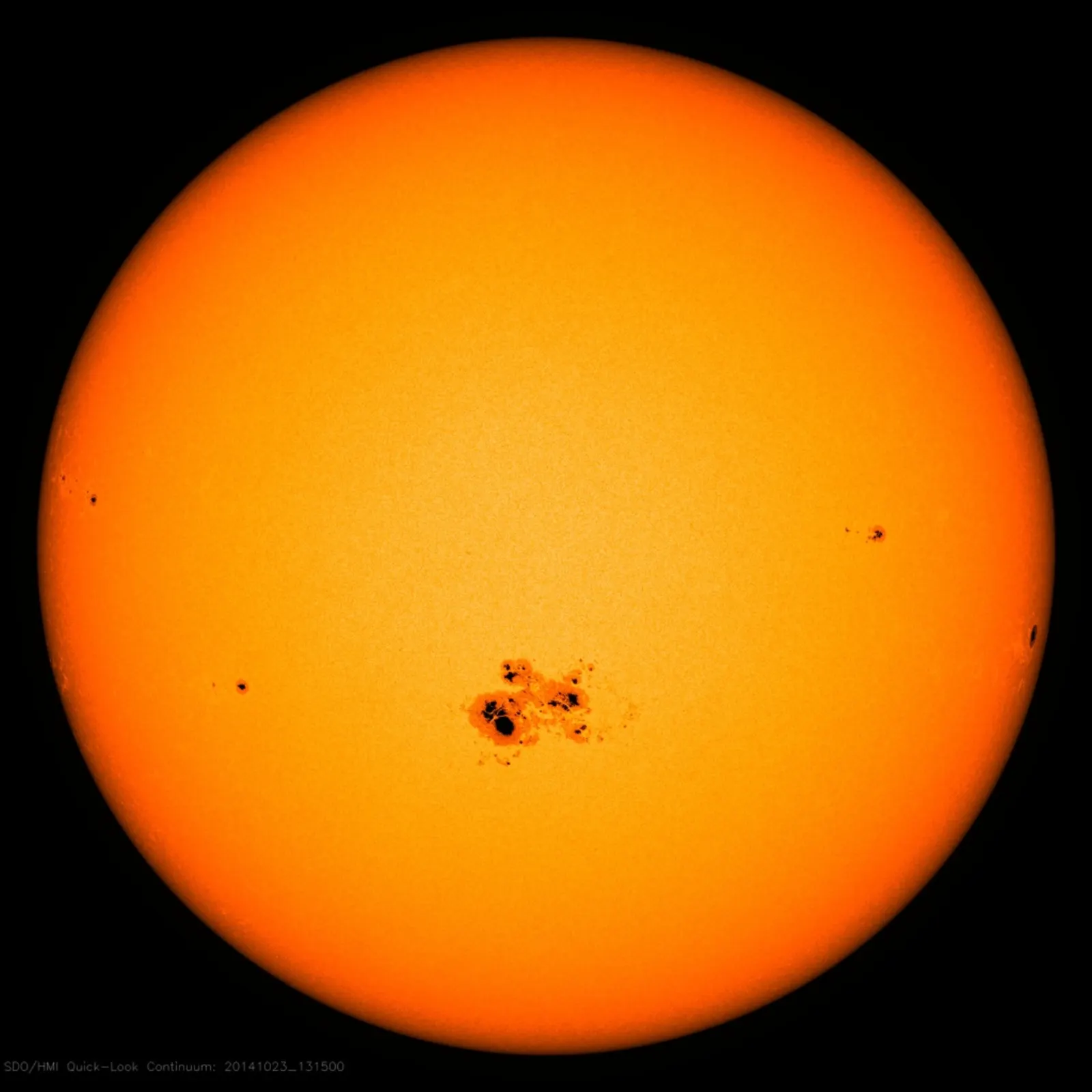
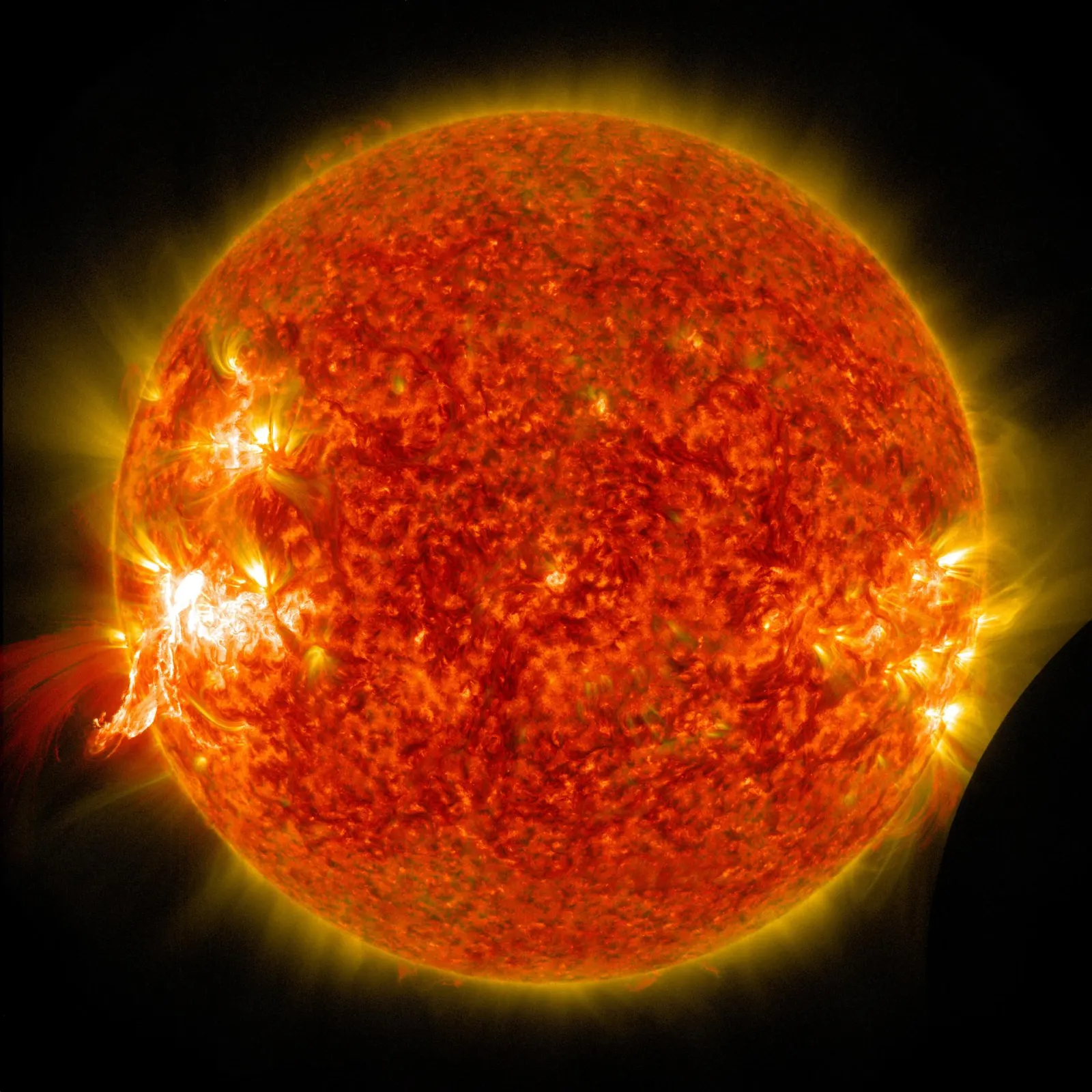
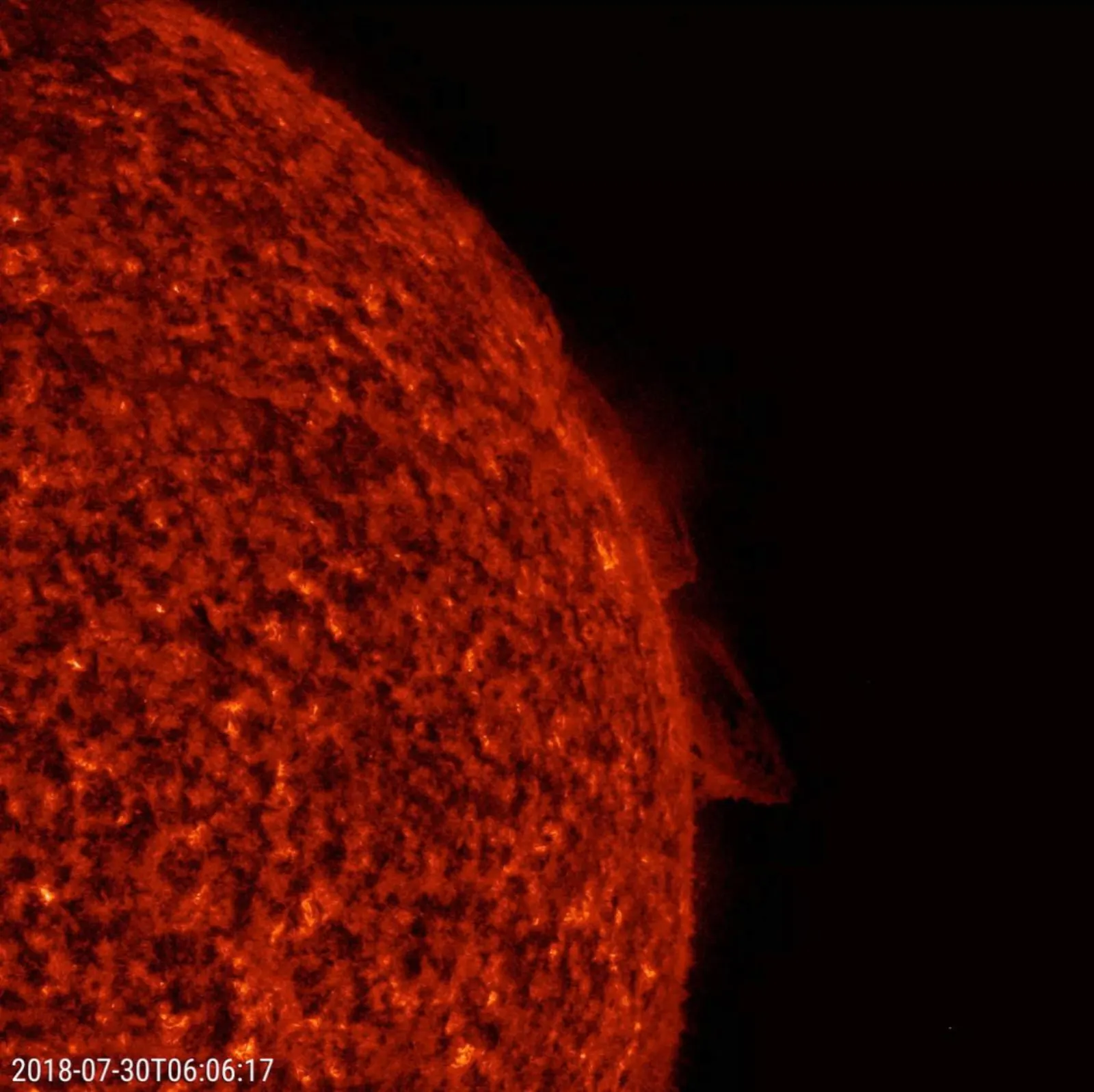
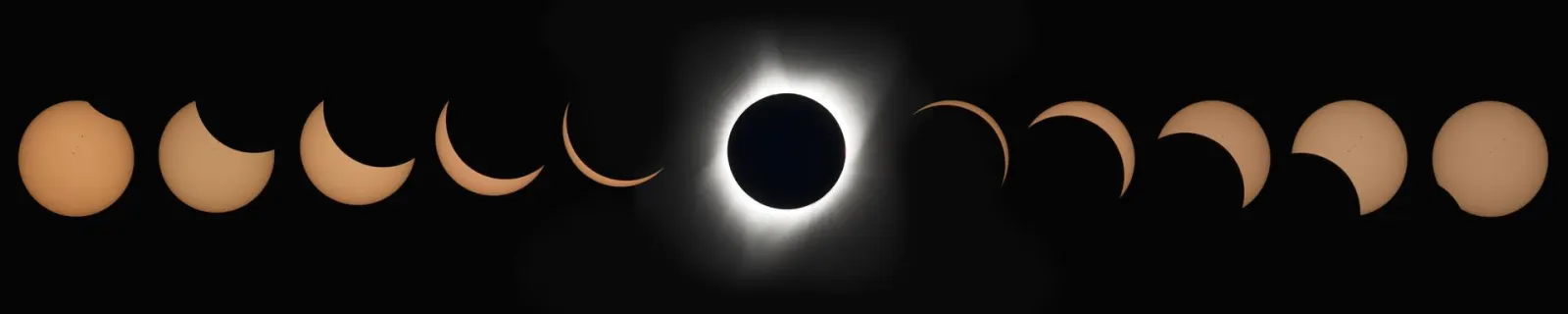
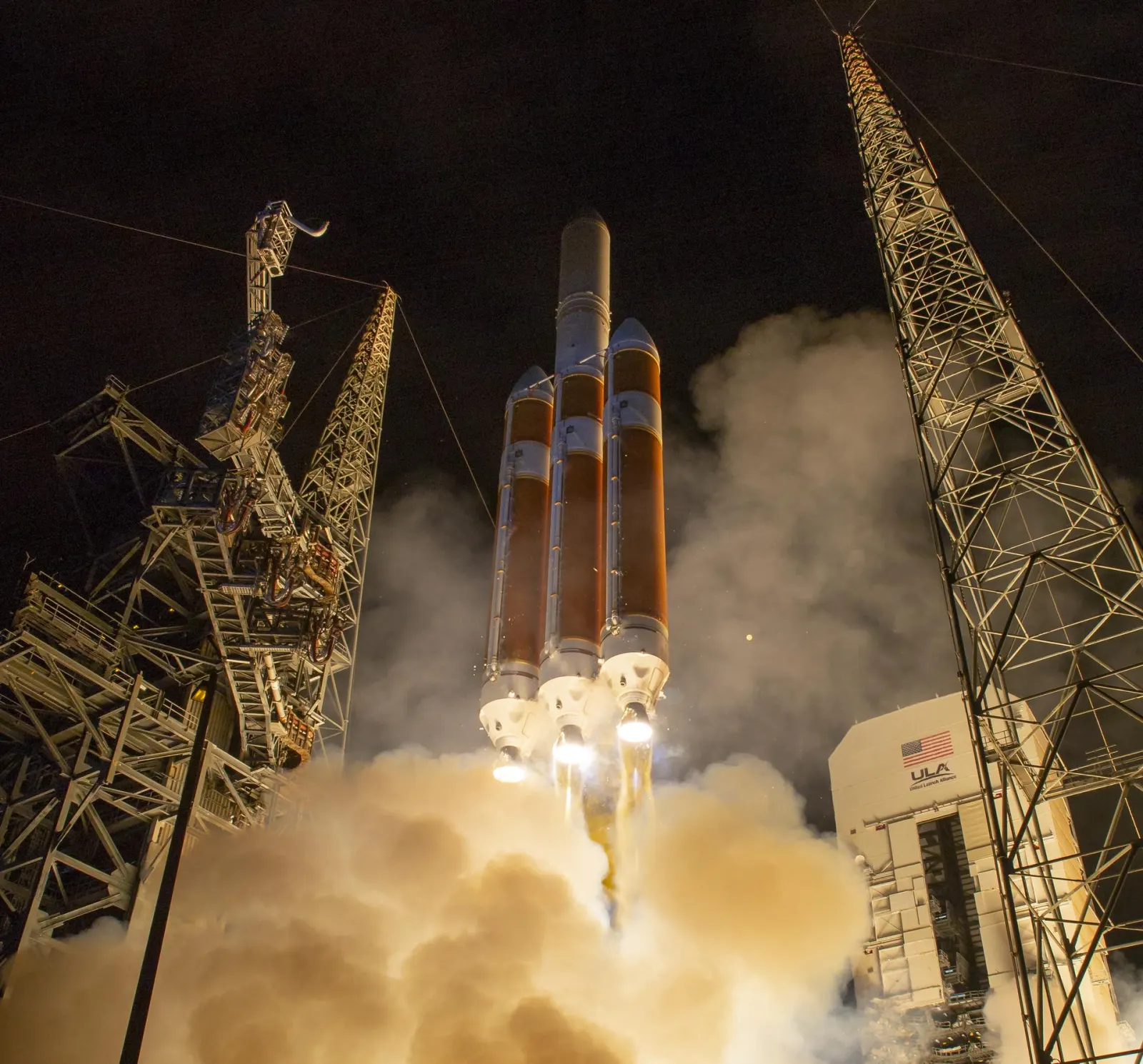
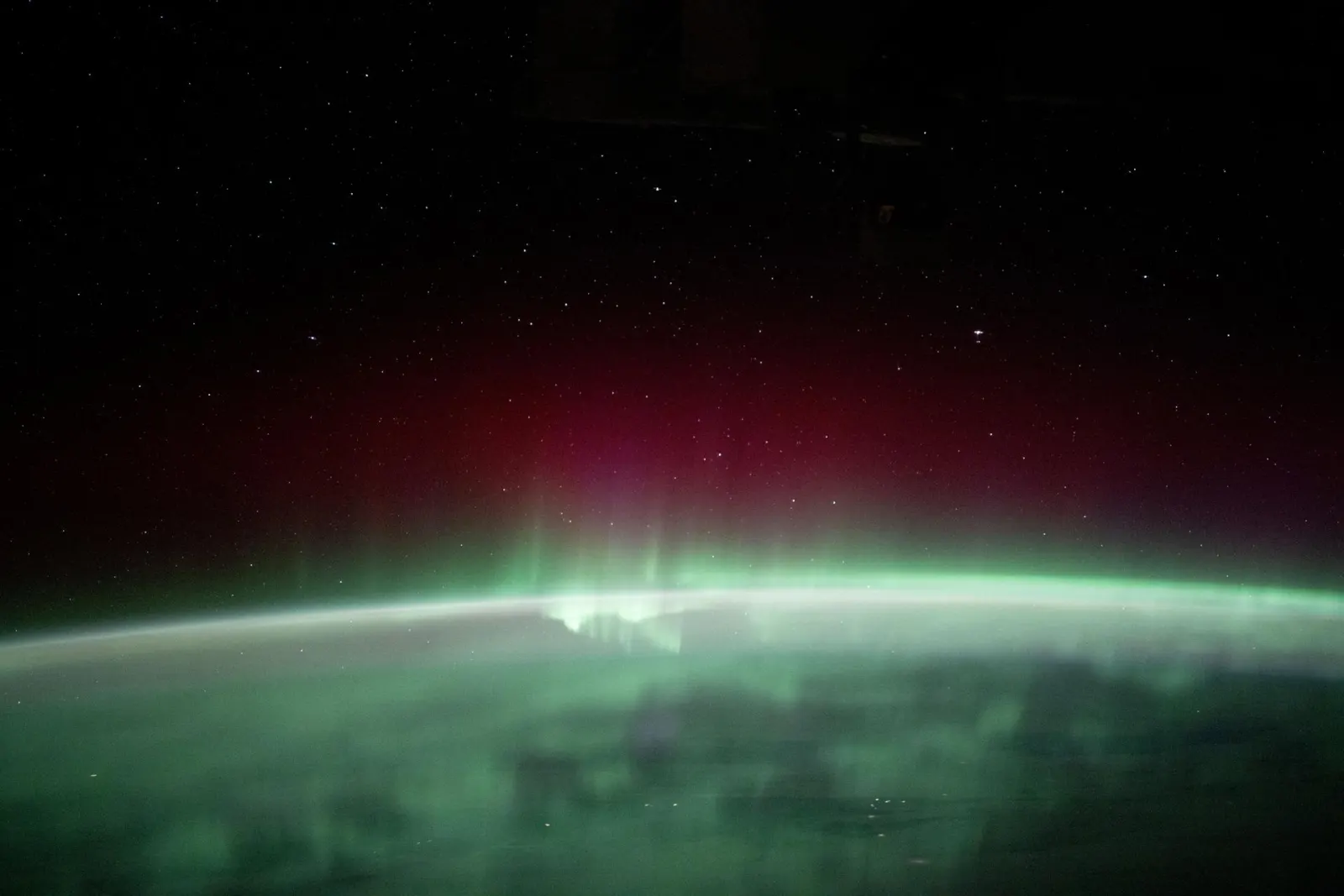
1 of 6 · swipe the photo aside, tap to look closer
A globe in your hands
Drag the globe to spin it. Tap a place and the globe turns to it.
For the curious
The Sun shines because in its core hydrogen atoms join together into helium, which is called nuclear fusion. The Sun's surface isn't solid: it's a layer of glowing gas, the photosphere. Above it is the corona, which is somehow hotter than the surface, up to 2 million degrees. Scientists are still solving that mystery. The Sun's equator spins once in 25 Earth days, its poles in 36.
| Diameter | 1,392,700 km |
|---|---|
| Gravity | 274 m/s² |
| Day | 609.1 hours |
| Average temperature | 5,500 °C |
Astronaut exam
Find 5 more and we'll start the exam.
