 Growney Space
Neptune
Neptune is the eighth planet and the farthest from the Sun. It's a blue ice giant with the strongest winds in the Solar System.
What's hidden on Neptune?
Found 0 of 11
Swipe sideways and tap the seeds

Look for the seeds — I'll tell you about every wonder!
Field journal · Neptune
Nothing yet. The wonders you find will be written here.
Peek at all the wonders
- Neptune was found on paper, not in the sky! The scientist Le Verrier worked out where it had to be, and in 1846 it was seen right there.
- Neptune is so far from the Sun that noon there is as dim as our twilight. From there the Sun is just a bright little star.
- Neptune is the windiest planet: its wind races at 2000 kilometres an hour, five times stronger than the strongest winds on Earth.
- In 1989 a Great Dark Spot raged on Neptune, a storm big enough to hold the whole Earth. Later it disappeared.
- Neptune has five thin rings, and in one of them the dust has clumped into arcs named Liberty, Equality, Fraternity and Courage.
- Triton is the only big moon that circles its planet the wrong way round. Neptune probably caught it long ago.
- Triton is minus 235 degrees, yet geysers still shoot up from under its ice, 8 kilometres high!
- Sometimes Pluto comes closer to the Sun than Neptune. But they can never crash: they are never in the same place at the same time.
- Neptune is named after the Roman god of the sea, and its 16 moons after sea gods and nymphs.
- A year on Neptune lasts 165 Earth years. Since it was found in 1846, it has gone round the Sun only once, in 2011.
- Gravity on Neptune is a little stronger than on Earth, so you'd jump a tiny bit lower.
Jump on Earth and on Neptune
Gravity assist
Voyager 2 reached Neptune by swinging past the giant planets: their pull sped it up and turned it. Give it a try!
Find every wonder and the game opens! Seeds left: 11 of 11.
Expedition album
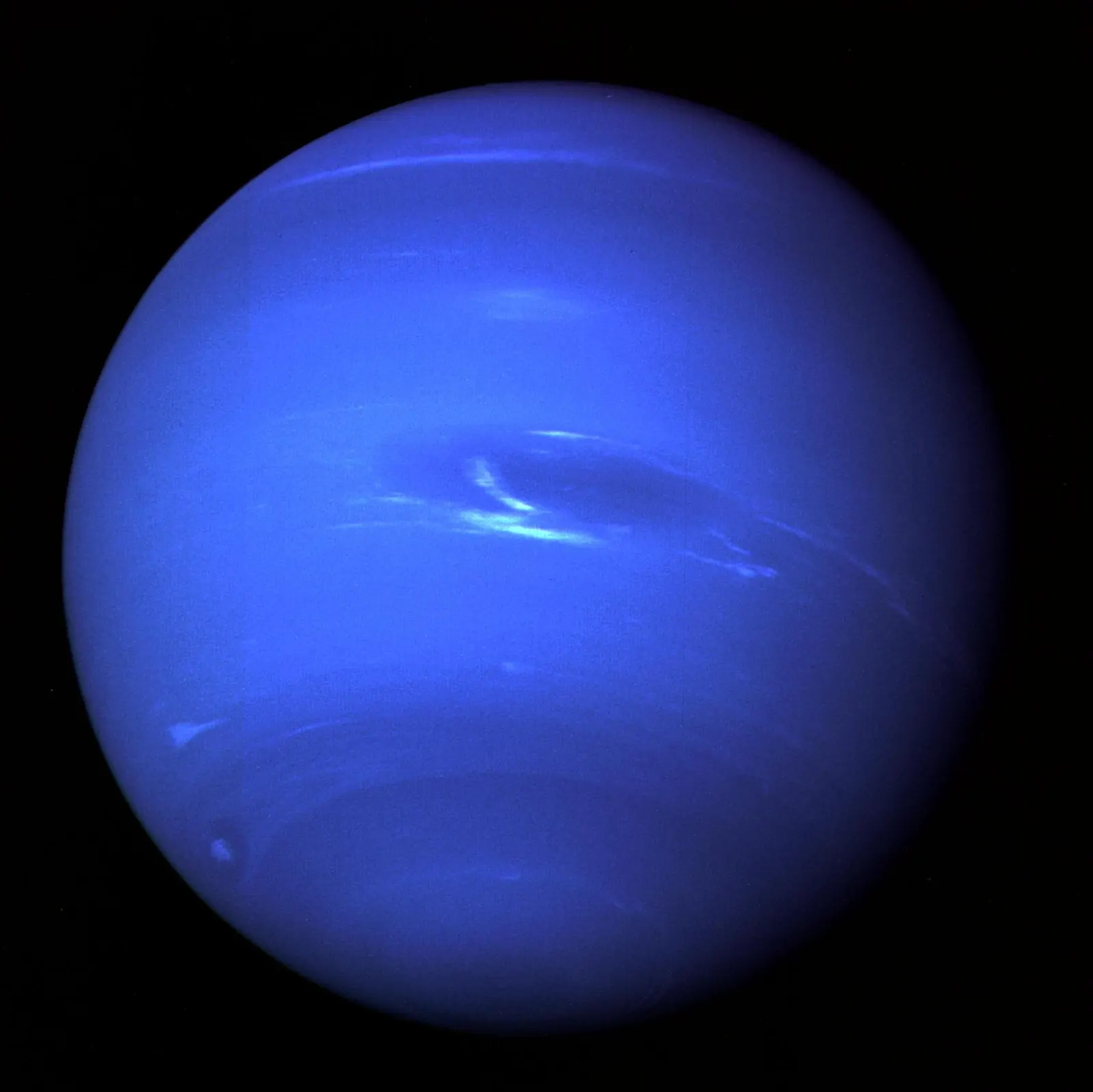
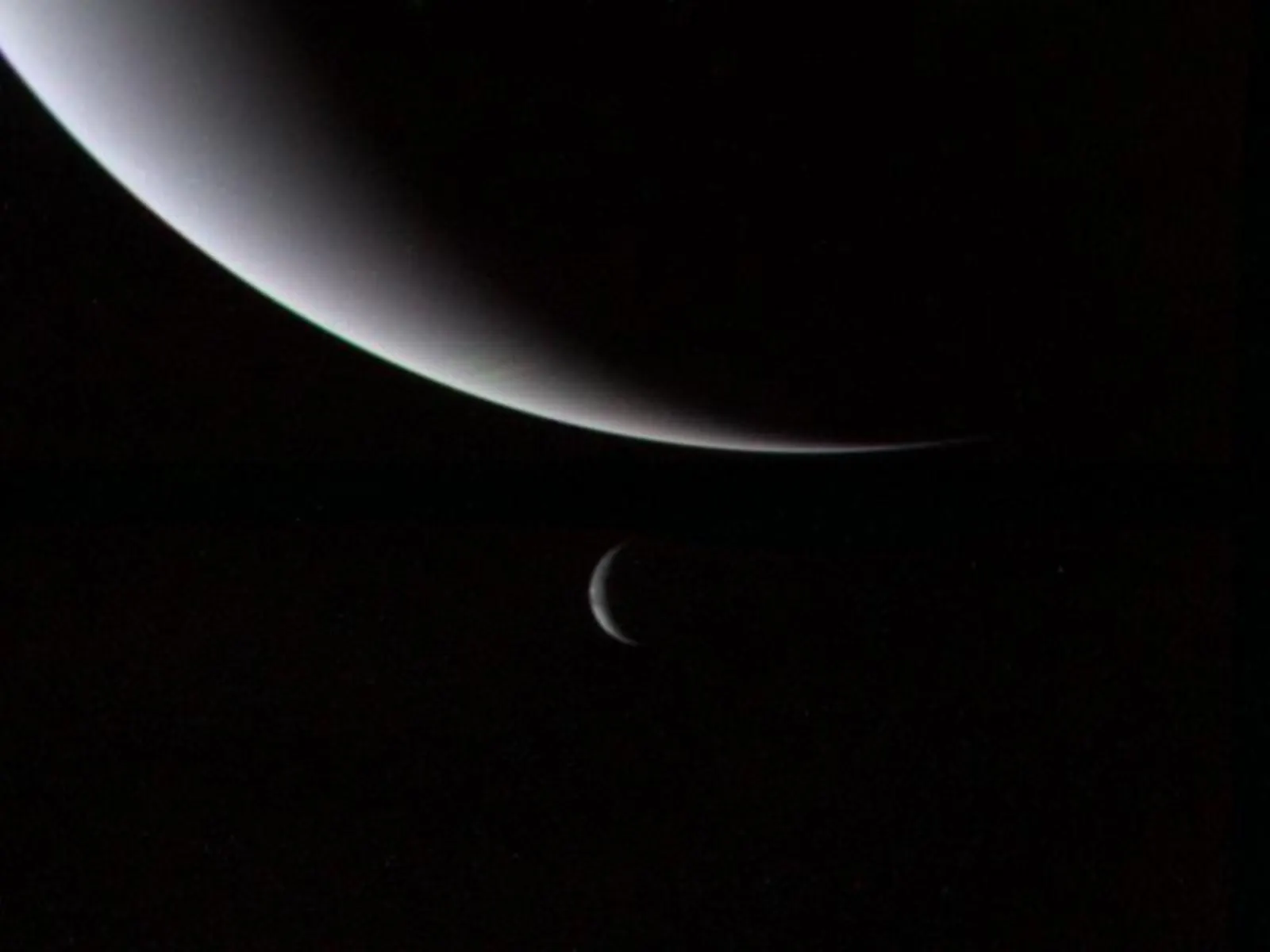
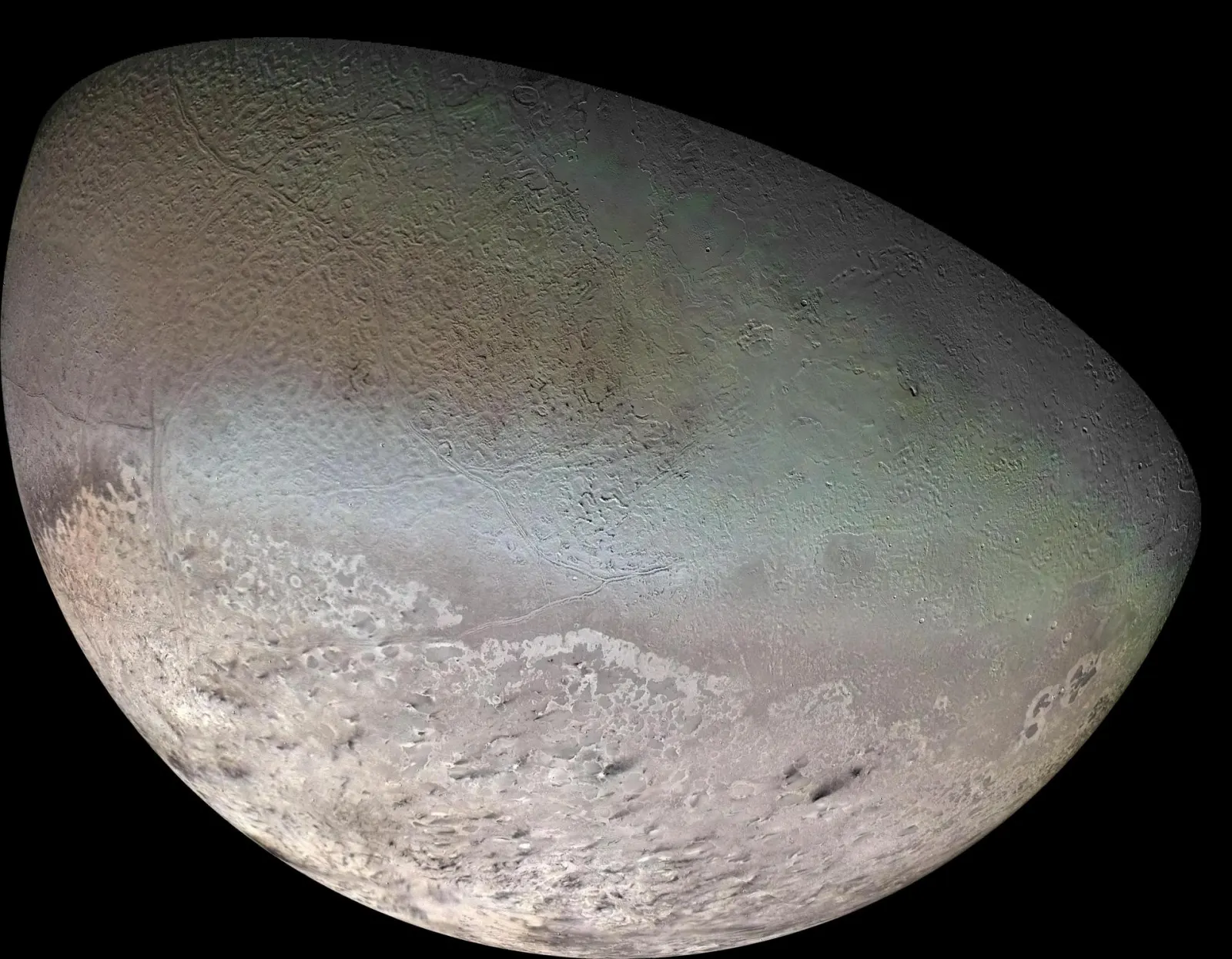
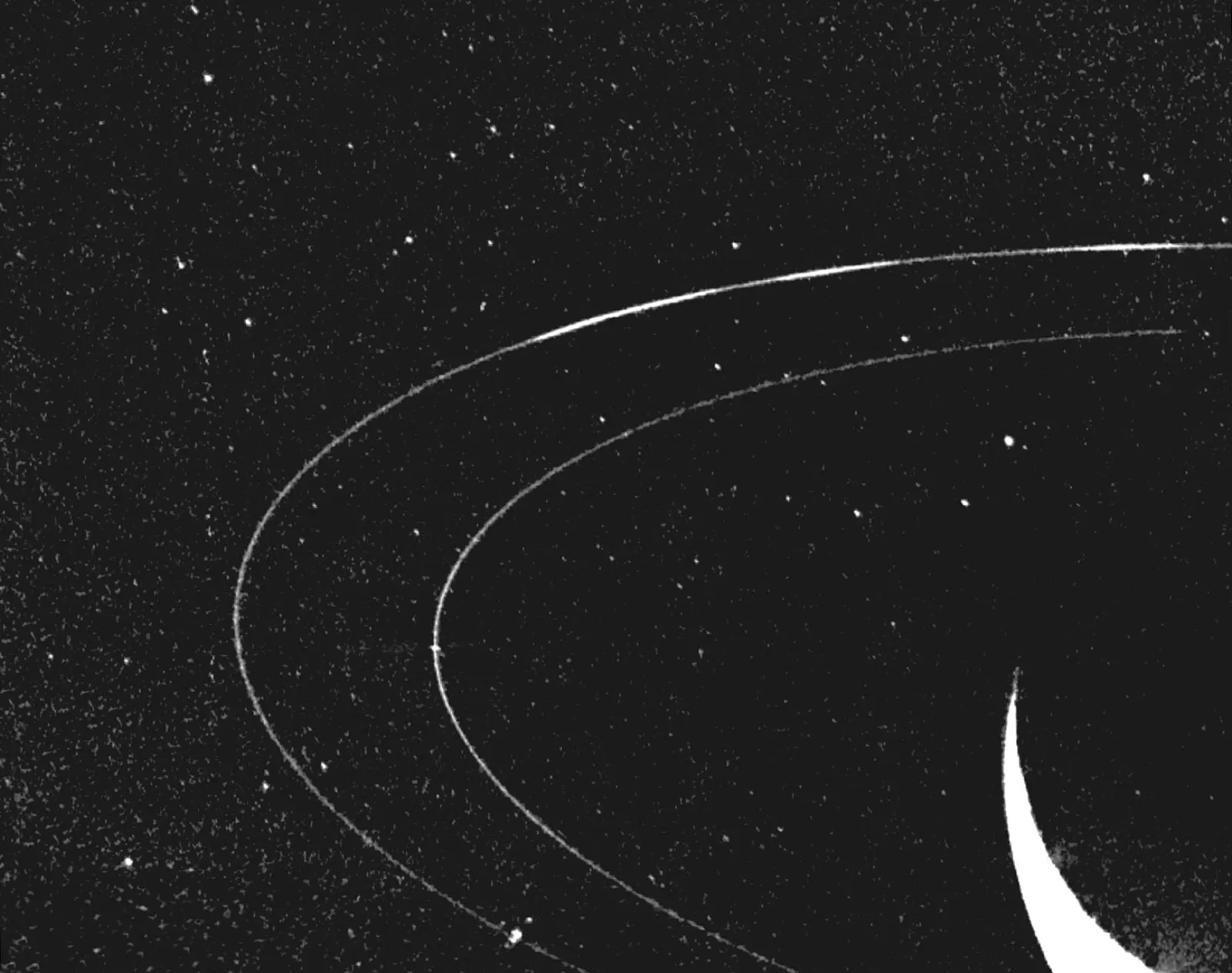
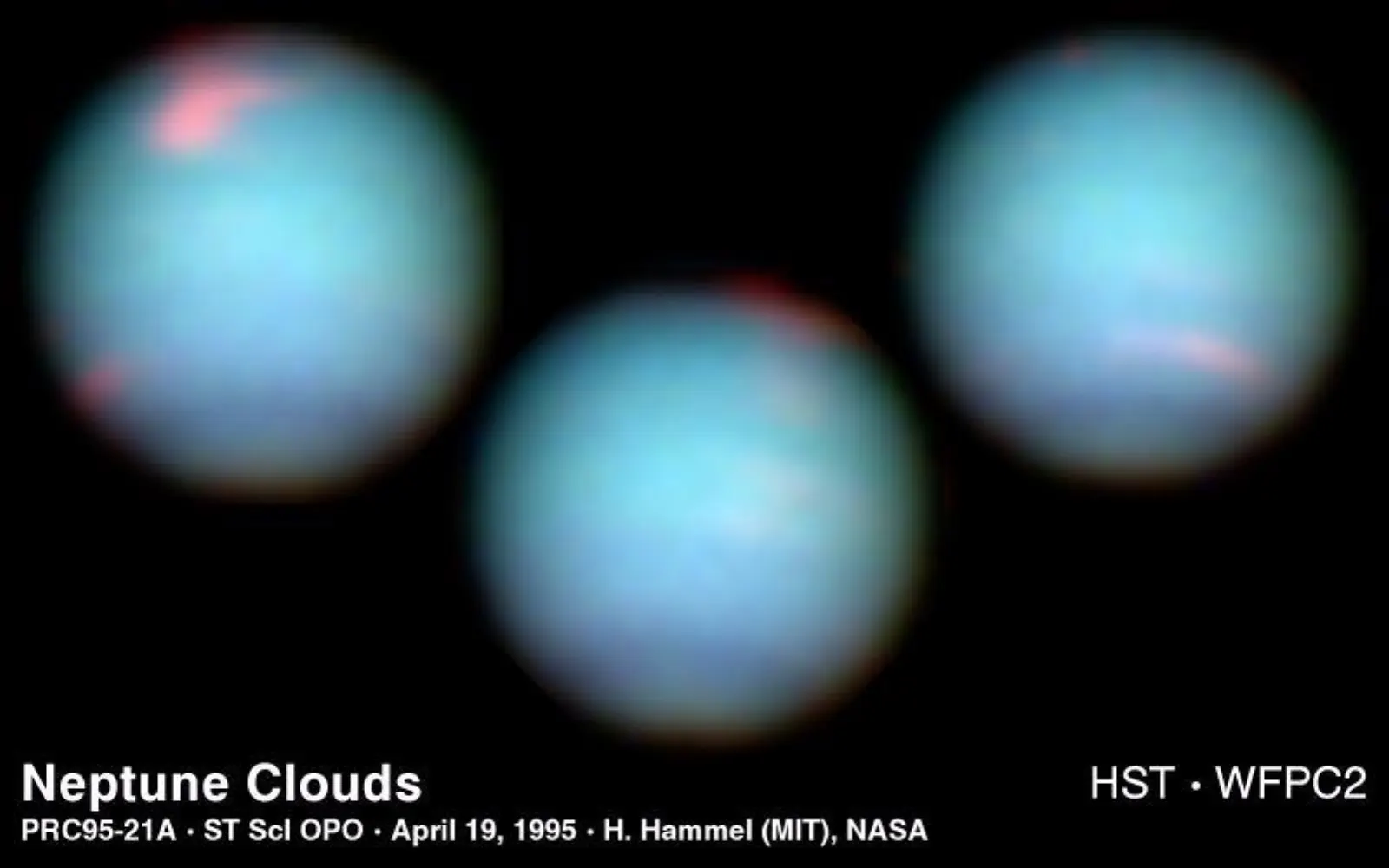
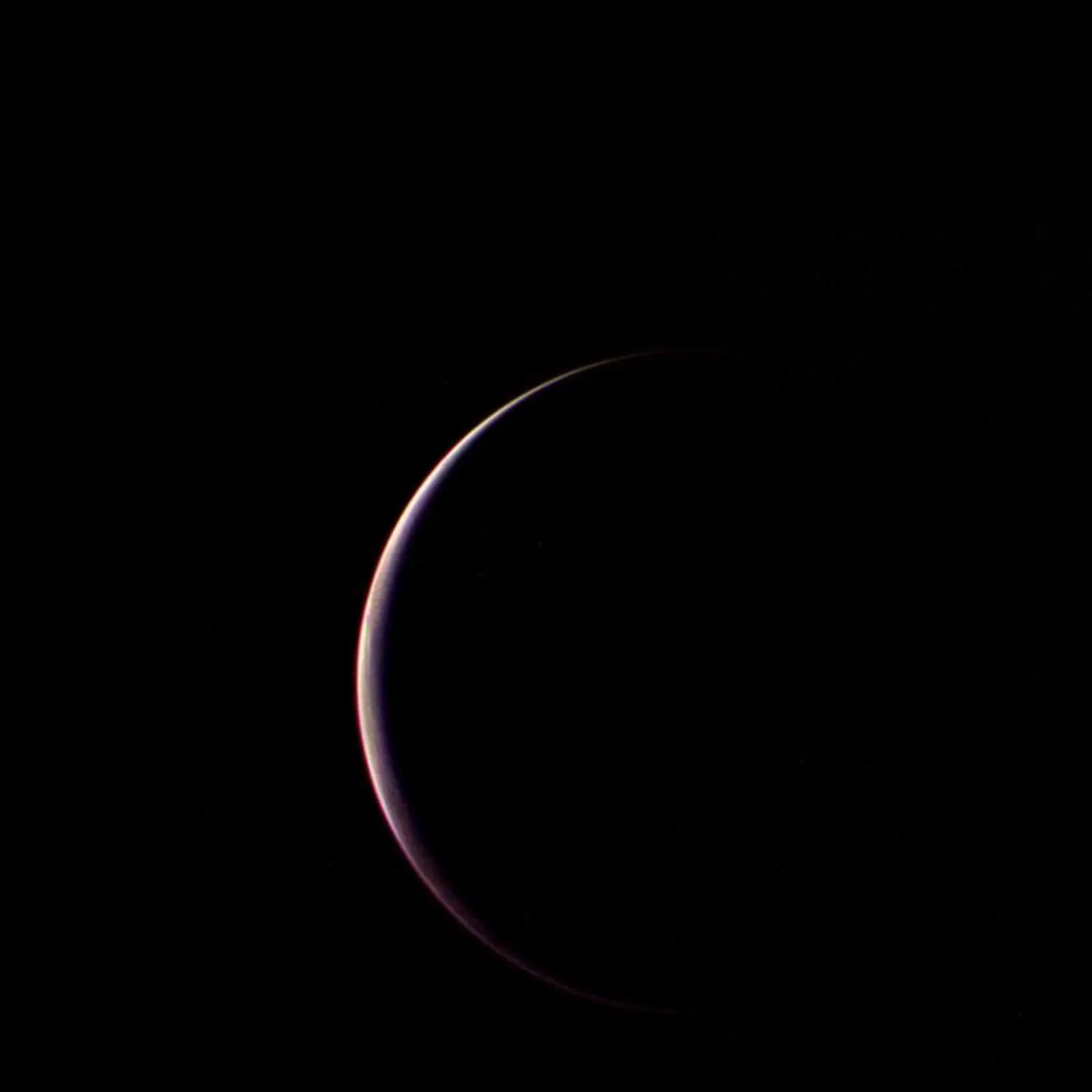
1 of 6 · swipe the photo aside, tap to look closer
A globe in your hands
Drag the globe to spin it. Tap a place and the globe turns to it.
For the curious
Like Uranus, Neptune is an ice giant: under clouds of hydrogen, helium and methane lies a thick, hot mix of water, methane and ammonia, with a rocky core about as heavy as Earth at the centre. Scientists think there may be an ocean of very hot water under the cold clouds that doesn't boil because the pressure is so huge. Only Voyager 2 has visited Neptune, in 1989.
| Diameter | 49,528 km |
|---|---|
| Gravity | 11 m/s² |
| Day | 16.1 hours |
| Year | 59,800 Earth days |
| From the Sun | 4,515 million km |
| Average temperature | -200 °C |
Astronaut exam
Find 5 more and we'll start the exam.
