 Growney Space
Uranus
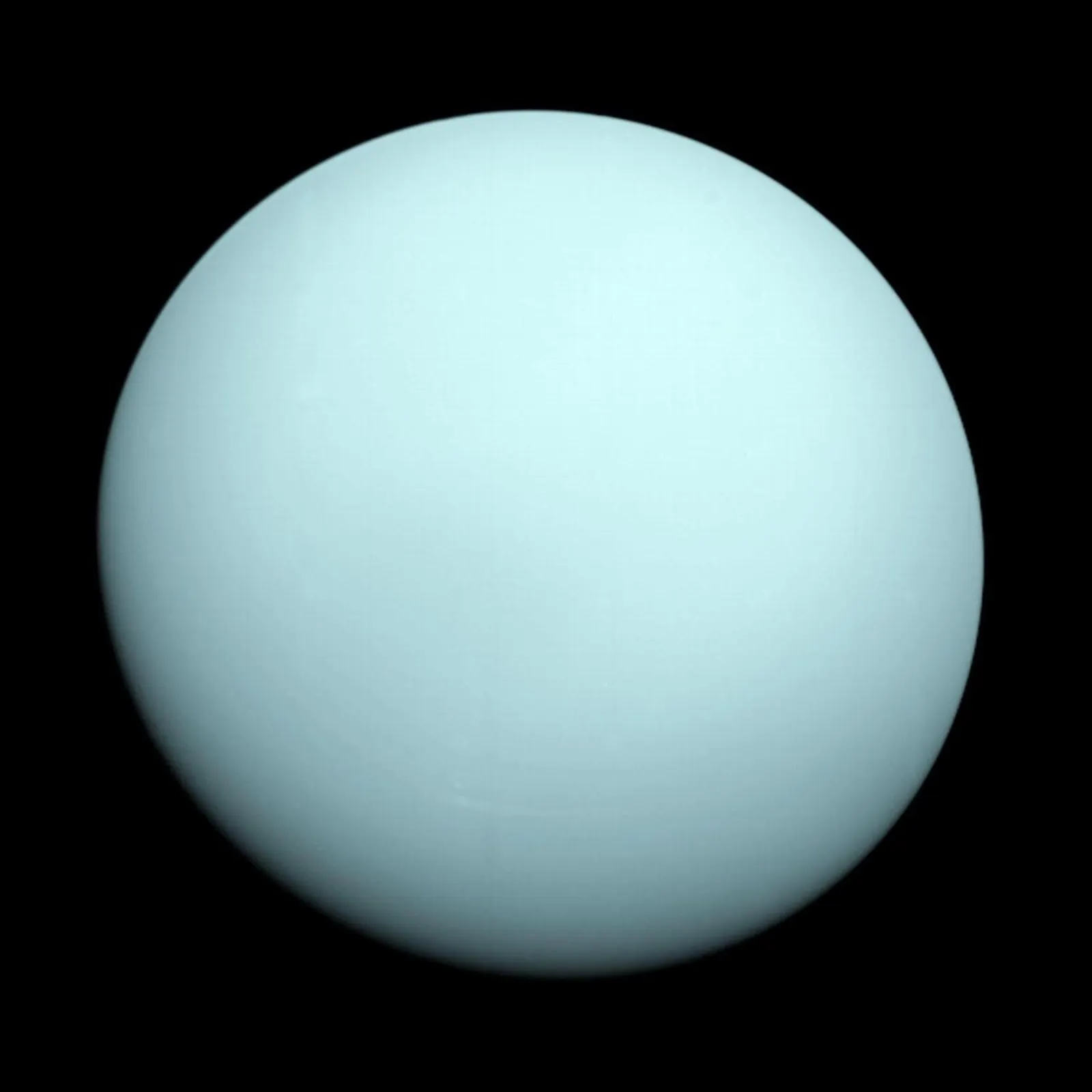
Uranus is the seventh planet from the Sun, a blue-green ice giant. It spins while lying on its side.
What's hidden on Uranus?
Found 0 of 11
Swipe sideways and tap the seeds

Look for the seeds — I'll tell you about every wonder!
Field journal · Uranus
Nothing yet. The wonders you find will be written here.
Peek at all the wonders
- Uranus lies on its side! It rolls around the Sun like a ball.
- Uranus was the first planet found with a telescope. William Herschel saw it in 1781 and at first thought it was a comet.
- Because Uranus lies on its side, each of its poles has a dark winter that lasts 21 years.
- Uranus is blue-green because of methane gas, which soaks up the red part of sunlight.
- Uranus is very cold: in places it reaches minus 224 degrees, colder even than faraway Neptune.
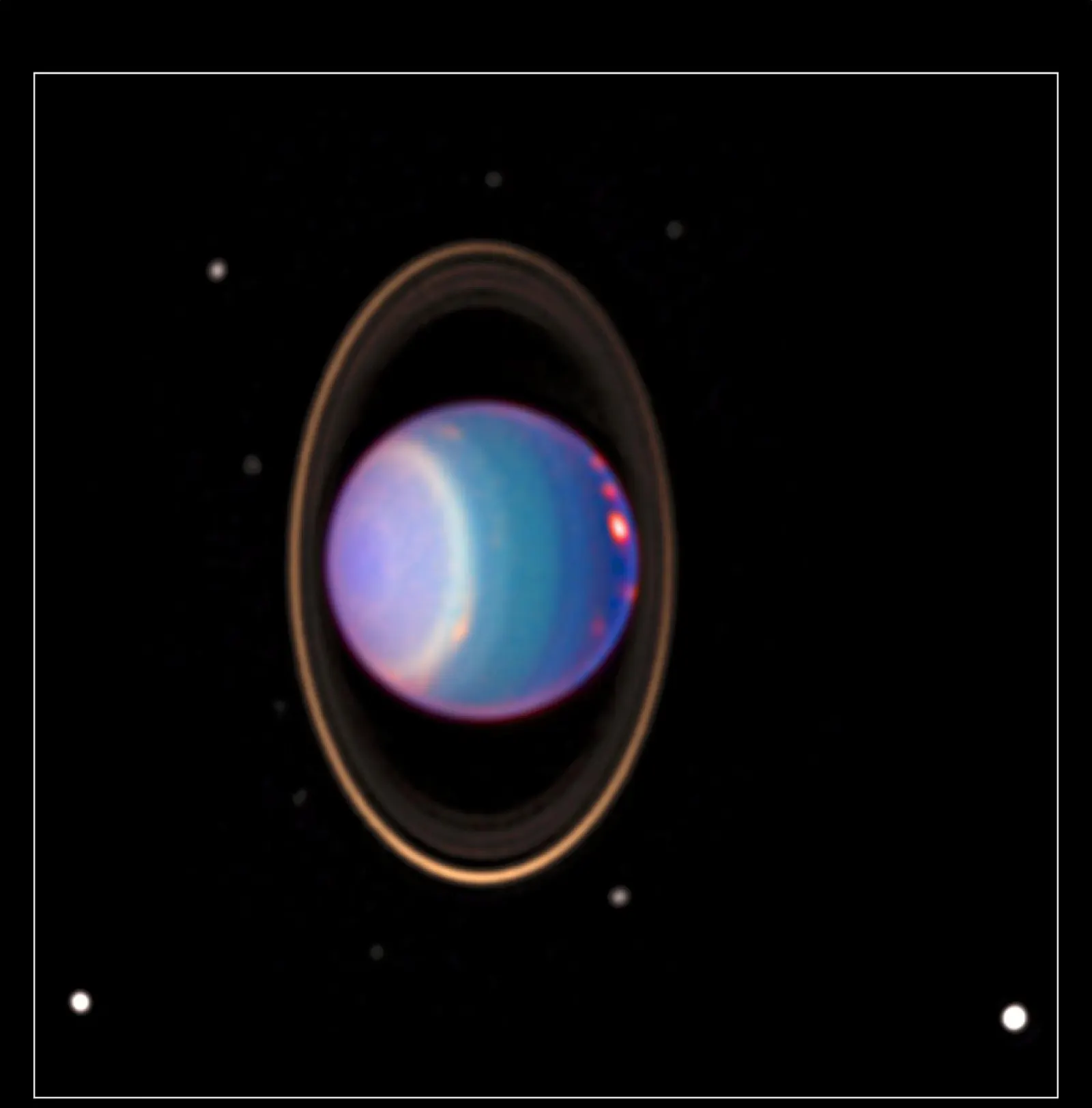
- Uranus has 13 thin, dark rings. The planet lies on its side, so its rings stand on end.
- Uranus has 28 moons, named after characters from Shakespeare's plays, like Miranda and Titania.
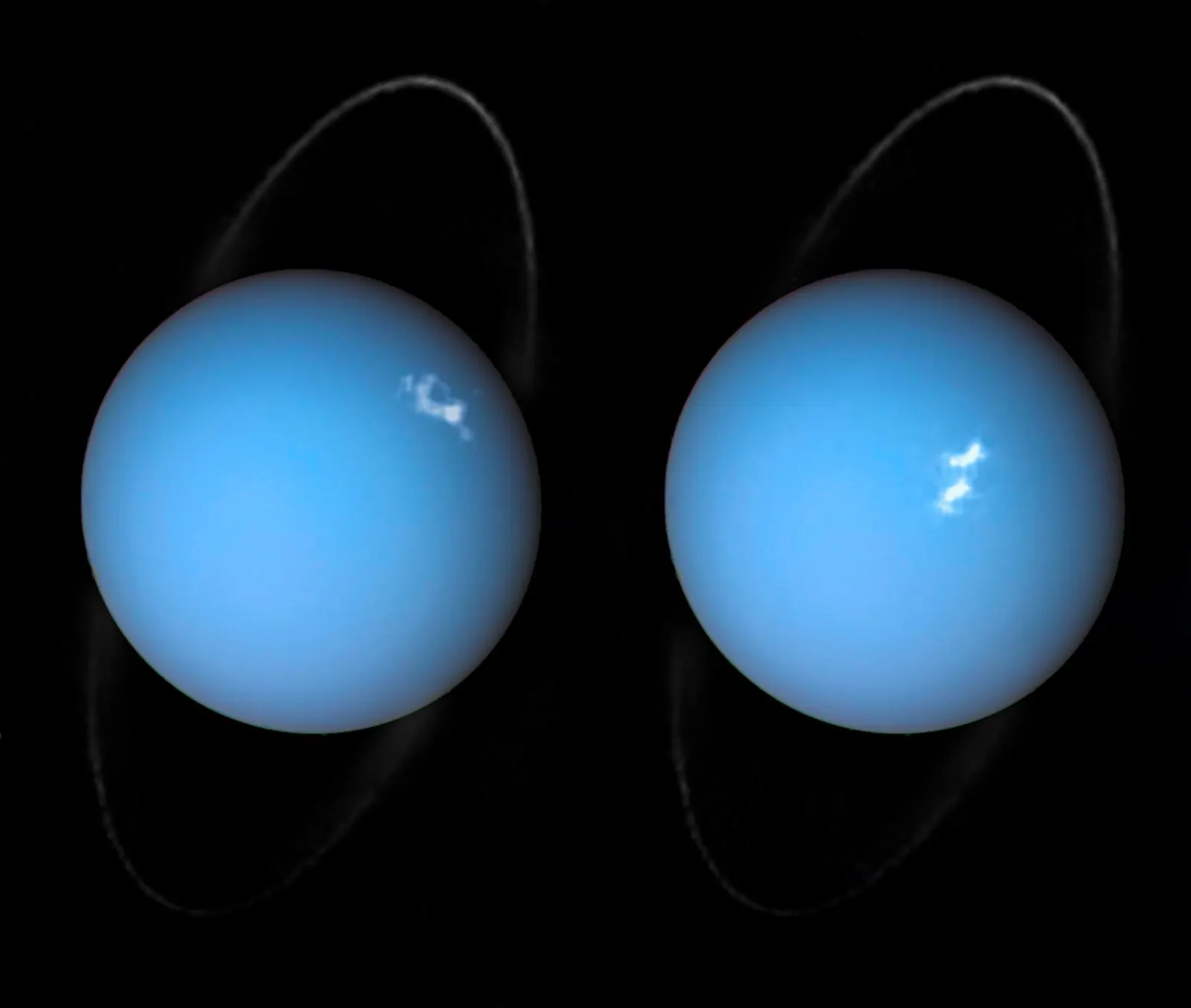
- Uranus's magnetic field is tipped over, so its auroras glow nowhere near its poles.
- Only one probe has ever visited Uranus: Voyager 2, in 1986. It found 10 new moons.
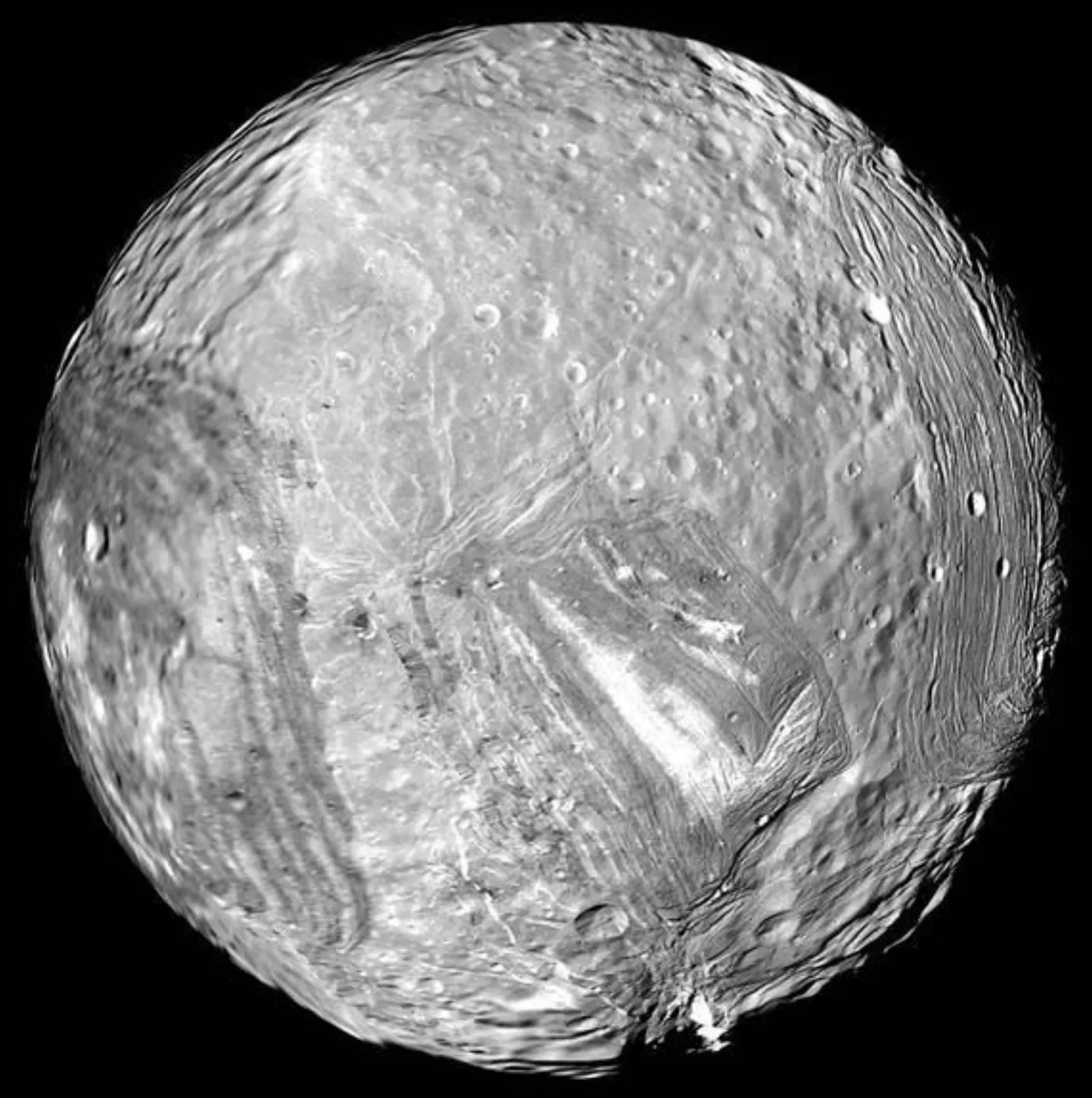
- The moon Miranda looks like a patchwork quilt. Maybe it was once smashed apart, and the pieces stuck back together.
- Gravity on Uranus is a little weaker than on Earth, so you'd jump a tiny bit higher.
Jump on Earth and on Uranus
Moon theatre
Uranus's moons are named after Shakespeare's characters, so they're hiding behind a theatre curtain. Find the pairs of matching moons!
Find every wonder and the game opens! Seeds left: 11 of 11.
Expedition album
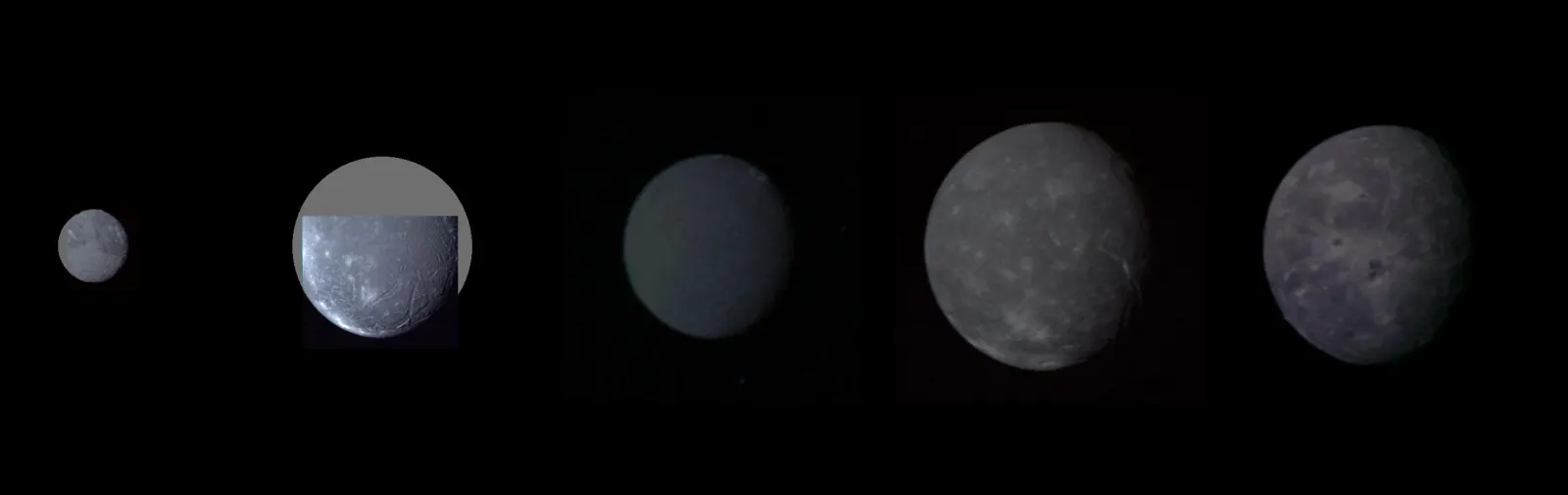
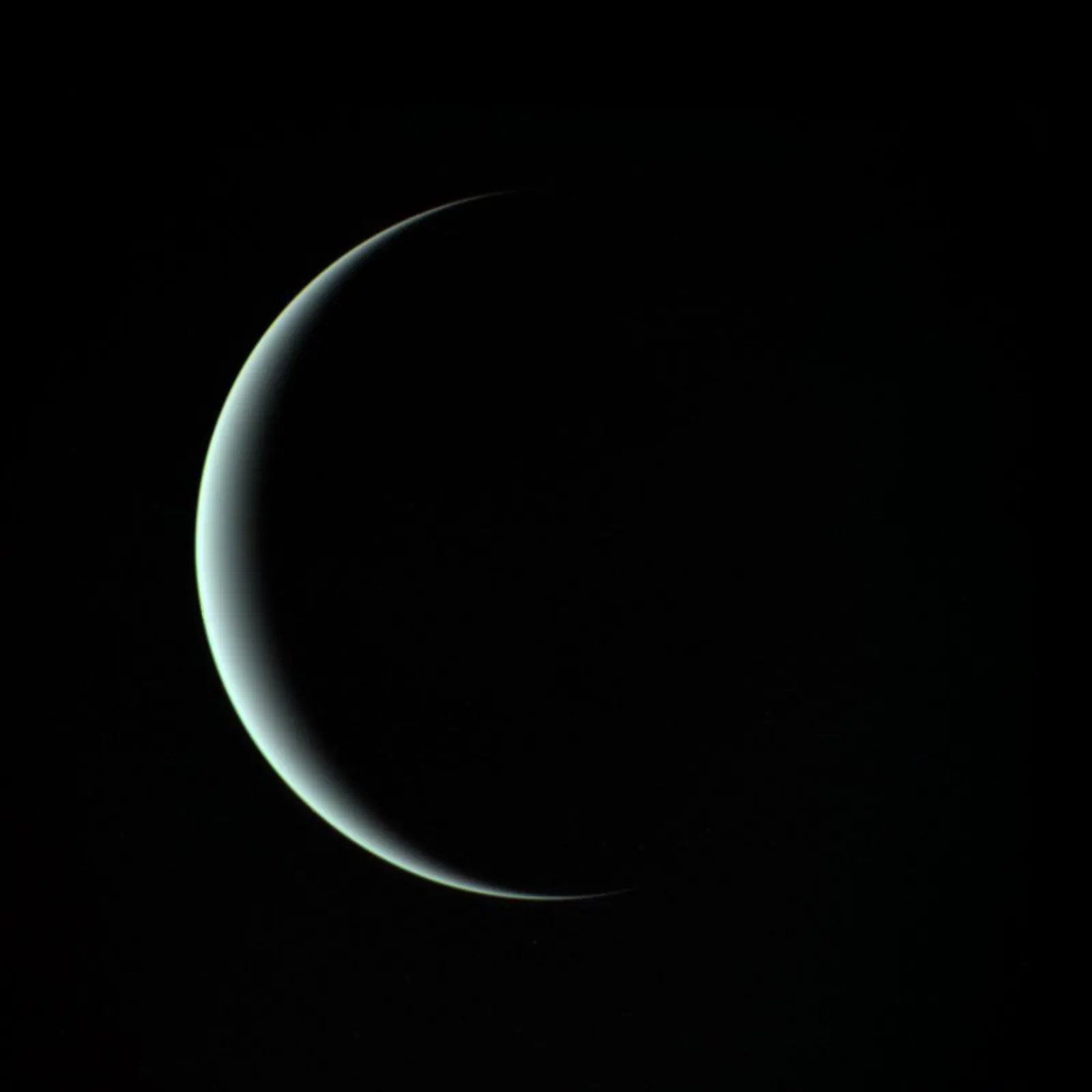
1 of 6 · swipe the photo aside, tap to look closer
A globe in your hands
Drag the globe to spin it. Tap a place and the globe turns to it.
For the curious
Uranus is an ice giant: it is mostly a thick, hot mix of water, methane and ammonia around a small rocky core. A day on Uranus lasts about 17 hours, and a year lasts 84 Earth years. Uranus spins the opposite way to most planets; only Venus spins that way too.
| Diameter | 51,118 km |
|---|---|
| Gravity | 8.7 m/s² |
| Day | 17.2 hours |
| Year | 30,589 Earth days |
| From the Sun | 2,867 million km |
| Average temperature | -195 °C |
Astronaut exam
Find 5 more and we'll start the exam.
