 Growney Space
Saturn
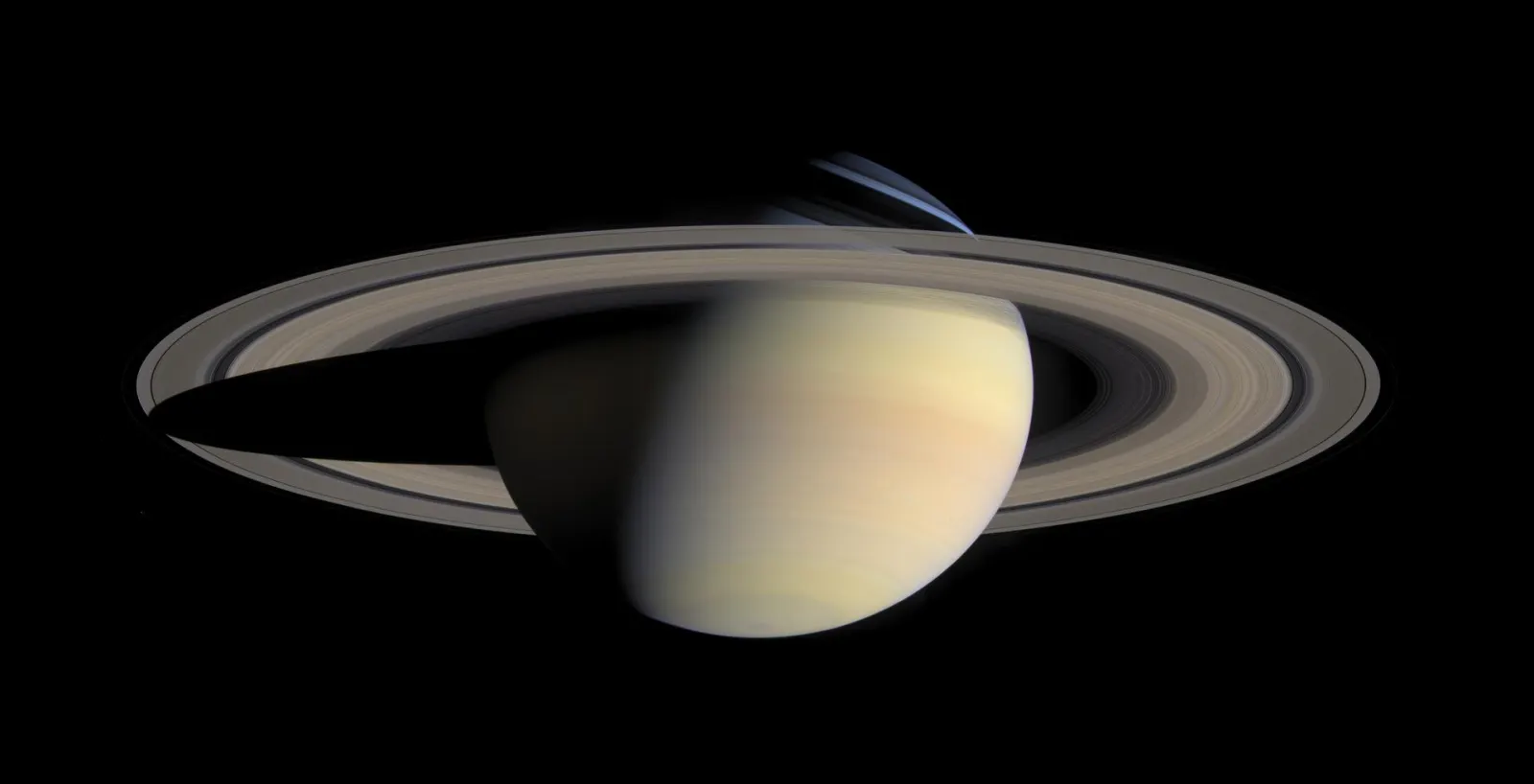
Saturn is the sixth planet from the Sun and the second largest. It's a gas giant with the most beautiful rings in the Solar System.
What's hidden on Saturn?
Found 0 of 11
Swipe sideways and tap the seeds

Look for the seeds — I'll tell you about every wonder!
Field journal · Saturn
Nothing yet. The wonders you find will be written here.
Peek at all the wonders
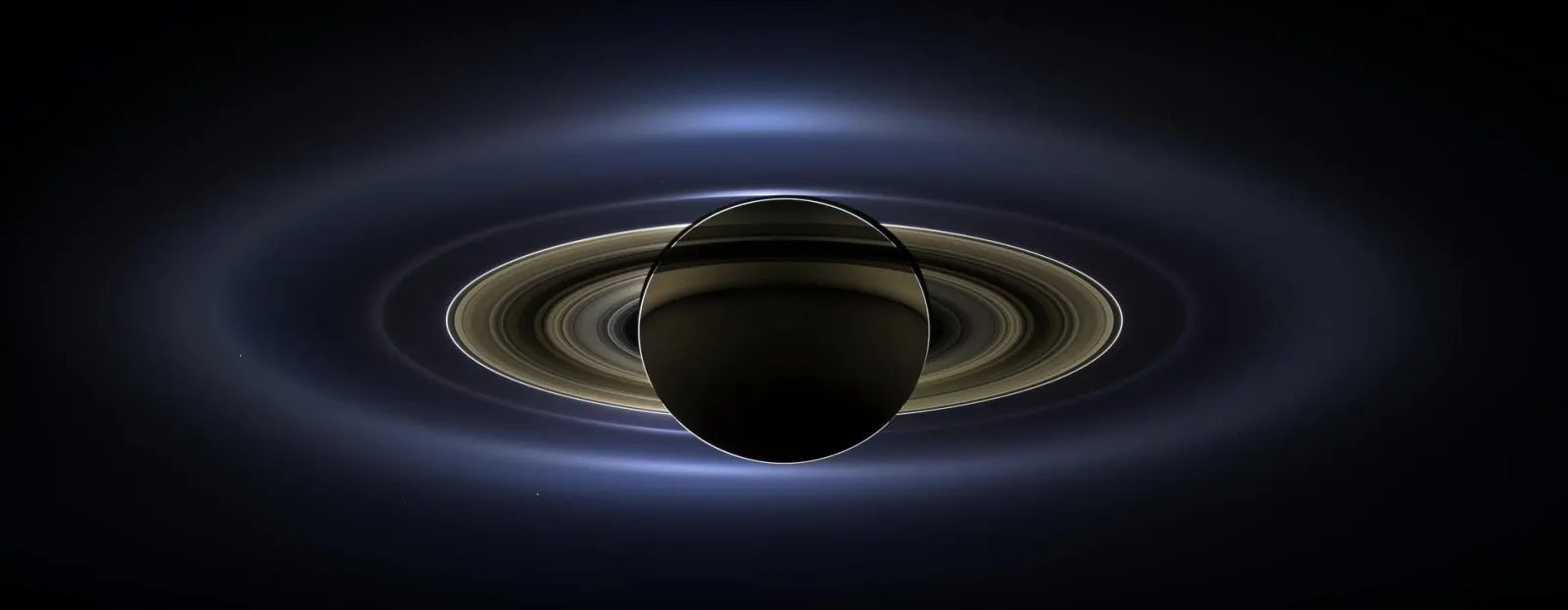
- Saturn's rings are billions of bits of ice and rock, from tiny grains of dust to chunks as big as a house.
- Saturn is the only planet lighter than water. In a giant bathtub, it would float!
- At Saturn's north pole there is a six-sided storm. Two Earths would fit across it.
- Saturn has more than 270 moons, more than any other planet.
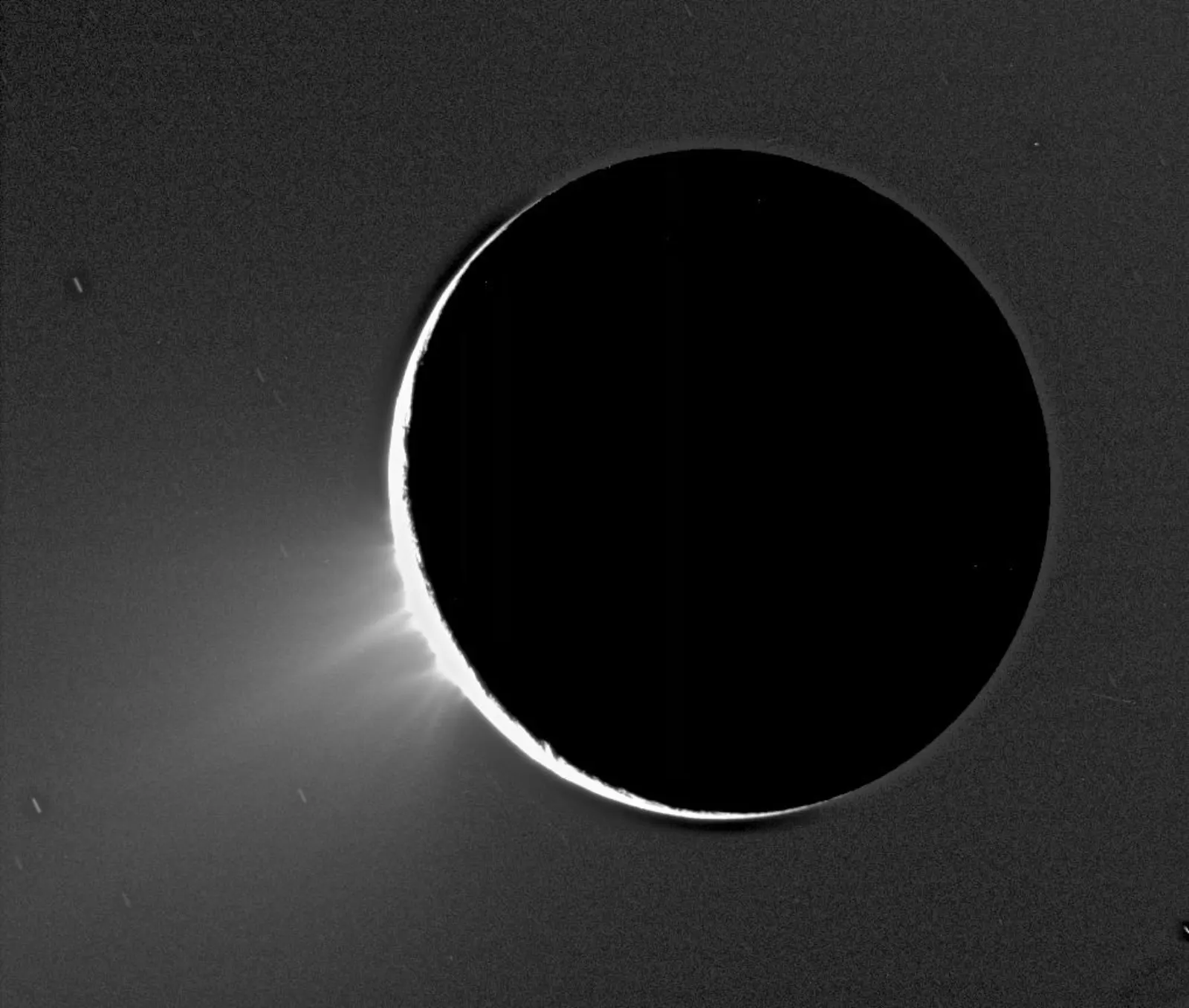
- The moon Enceladus shoots fountains of water from under its ice straight into space. An ocean hides beneath the ice.
- Wind on Saturn races at 1800 kilometres an hour, twice as fast as a passenger plane.
- Saturn's rings are huge but very thin: usually only about 10 metres thick, like a three-storey house.
- The Cassini probe circled Saturn for 13 years, and in 2017 it dived into its clouds.
- Saturn is the farthest planet you can see from Earth with just your eyes. People watched it in ancient times.
- Saturn is 9 times wider than Earth. If Earth were a coin, Saturn would be a volleyball.
- On Saturn you would weigh almost the same as on Earth, even though it's a giant!
Jump on Earth and on Saturn
Through the rings
Growney is in a probe right next to Saturn. Get out through the gaps in the icy rings!
Find every wonder and the game opens! Seeds left: 11 of 11.
Expedition album
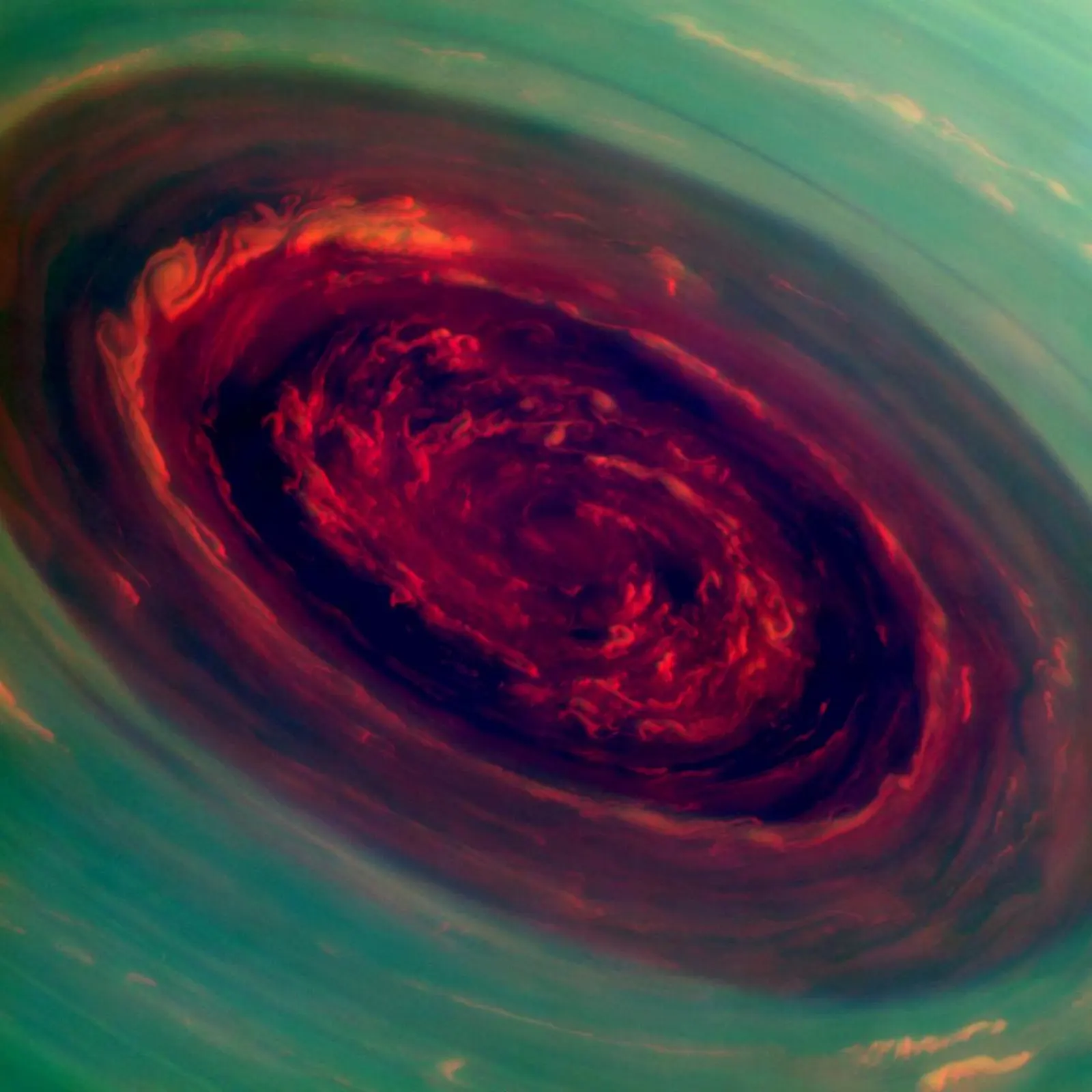
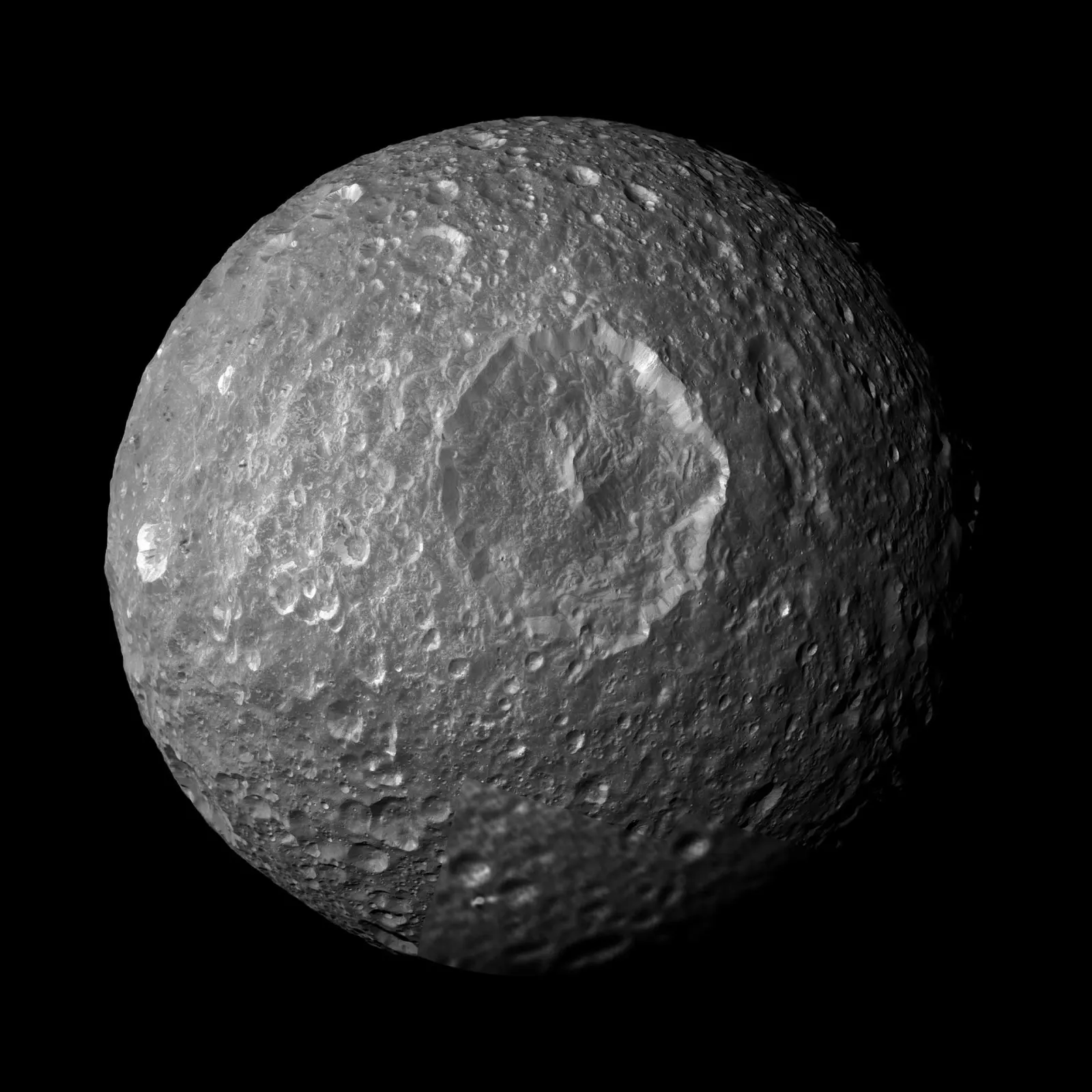
1 of 6 · swipe the photo aside, tap to look closer
A globe in your hands
Drag the globe to spin it. Tap a place and the globe turns to it.
For the curious
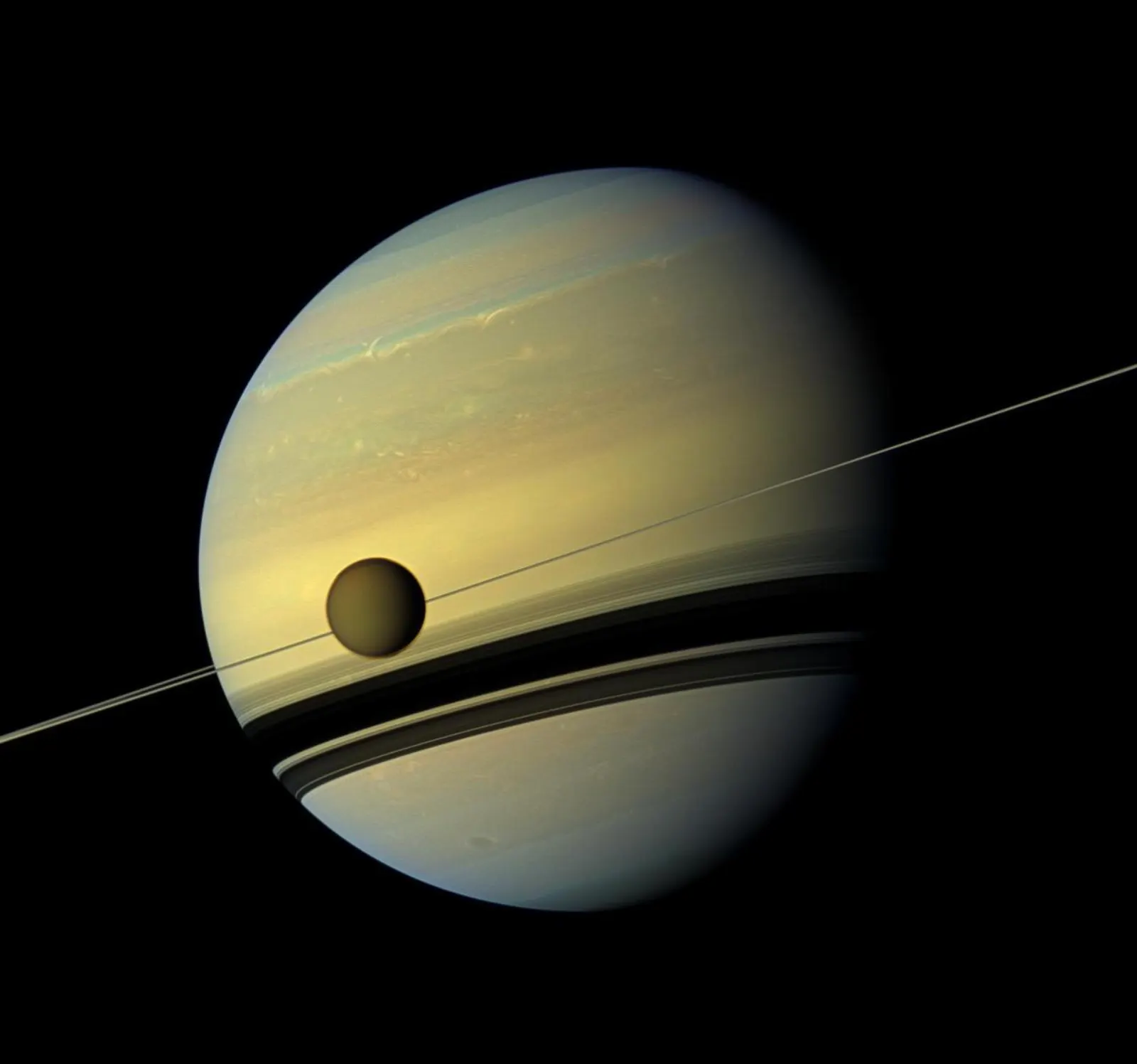
Like Jupiter, Saturn is made mostly of hydrogen and helium, with a core of metal and rock at its very centre. A year on Saturn lasts almost 30 Earth years. Its biggest moon, Titan, is larger than the planet Mercury and wrapped in a thick orange haze.
| Diameter | 120,536 km |
|---|---|
| Gravity | 9 m/s² |
| Day | 10.7 hours |
| Year | 10,747 Earth days |
| From the Sun | 1,432 million km |
| Average temperature | -140 °C |
Astronaut exam
Find 5 more and we'll start the exam.
